Add Row
Add Element
cropper
update

THIS PAGE ON HEALTH

update
Add Element
  • Home
  • Categories
    • Nutrition
    • Fitness
    • Mindfulness
    • Mental Wellness
    • Creative Living
    • Inspiration
    • Lifestyle
  • Meal Planning
  • All Posts
  • Nutrition
  • Fitness
  • Mindfulness
  • Mental Wellness
  • Creative Living
  • Inspiration
  • Lifestyle
  • Meal Planning
October 03.2025
1 Minute Read

Discover the Best Weight Loss Apps in 2025 Today

Did you know? Recent research shows that over 70% of women seeking to lose weight in 2025 now trust digital solutions for guidance and accountability. With so many weight loss apps, barcode scanners, and fitness trackers flooding the market, figuring out which app suits your goals can seem overwhelming. If you’re a woman ready to regain control of your health in the new year, this friendly and practical guide will walk you through the best weight loss apps in 2025—from beginner advice to expert-selected programs for sustainable results.

Startling Statistics: Why the Best Weight Loss Apps in 2025 Matter More Than Ever

"Recent studies reveal that over 70% of women aiming to lose weight in 2025 are turning to digital solutions for lasting success."

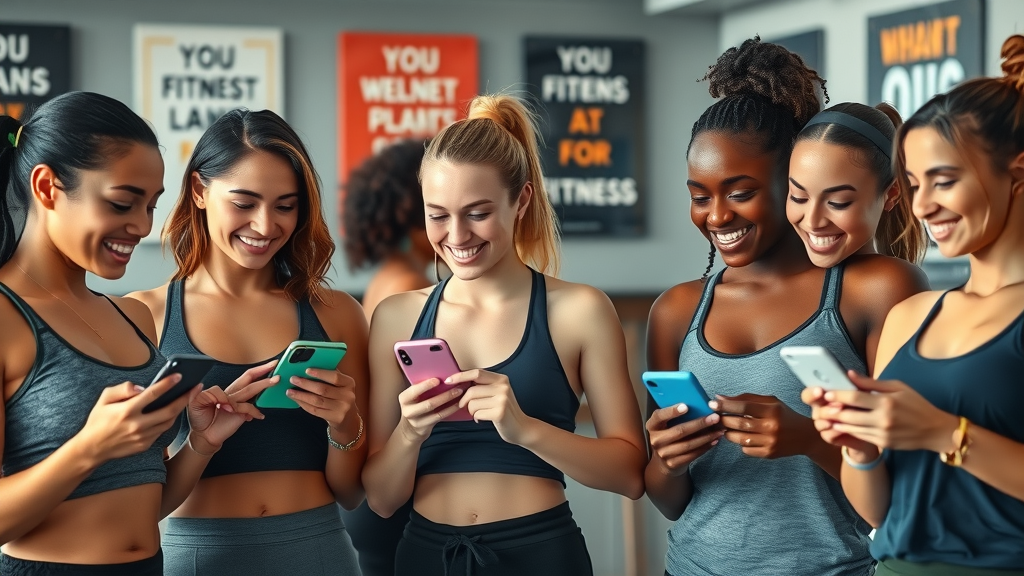
Modern group of diverse women using weight loss apps together, checking smartphones, in bright living room, weight loss apps in 2025

The Surge in Weight Loss App Usage Among Women

In 2025, digital health has become the new normal, especially for women looking to lose weight and improve overall well-being. The rise in weight loss app downloads among women—from full-featured trackers to focused calorie counters—signals a shift in how we view health. This surge is partly driven by the convenience of tracking food intake, setting fitness goals, and connecting with supportive communities, all from your phone or smartwatch. For many, traditional approaches to dieting or weight management no longer fit their busy lifestyles. Now, the simplicity of logging meals or syncing a fitness tracker surpasses what paper journals or restrictive plans offered in the past. Women appreciate these weight loss apps for their empowering features, encouraging mindset, and the chance to celebrate every small win.

As more women embrace digital solutions, the landscape of weight loss programs has grown increasingly diverse and user-friendly. The best apps now include motivational notifications, group challenges, barcode scanning for easier meal tracking, and in-depth nutrition databases. According to recent health surveys, the integration of technology into daily routines helps women maintain consistency and overcome common barriers. Whether you’re beginning your journey or aiming for long-term results, there’s likely a tailored loss app out there that can ignite your motivation and make your weight loss goals attainable—and even fun.

How Technology Is Shaping Modern Weight Loss Programs

Technology has revolutionized the way women participate in weight loss programs. Modern apps aren’t simply digital notebooks—they’re dynamic, intelligent assistants offering everything from AI-driven meal suggestions to calorie counter integrations and real-time progress reports. Many apps now link with wearable trackers like Apple Watch or smart scales, gathering activity and nutrition data to paint a full picture of your health journey. This seamless integration means you can monitor steps, calories burned, and even your sleep patterns without any extra effort, offering a holistic approach to weight management.

Besides tracking and automation, community-driven features in leading weight loss apps foster encouragement and accountability. Women can now join online support groups, compete in group fitness challenges, and exchange healthy meal plan ideas—all with the swipe of a finger. The evolution of these apps has made expert-level coaching and motivational tools accessible to everyone, regardless of previous experience. As digital health matures, these solutions are becoming more personal, more flexible, and better equipped to address the challenges women face on their weight loss journey.

What You'll Learn in This Guide to the Best Weight Loss Apps in 2025

  • The top-rated weight loss apps in 2025 and their standout features
  • How calorie counters and barcode scanners can simplify your journey
  • Tips for setting realistic fitness goals and tracking progress
  • Expert advice on choosing the right weight loss program for beginners
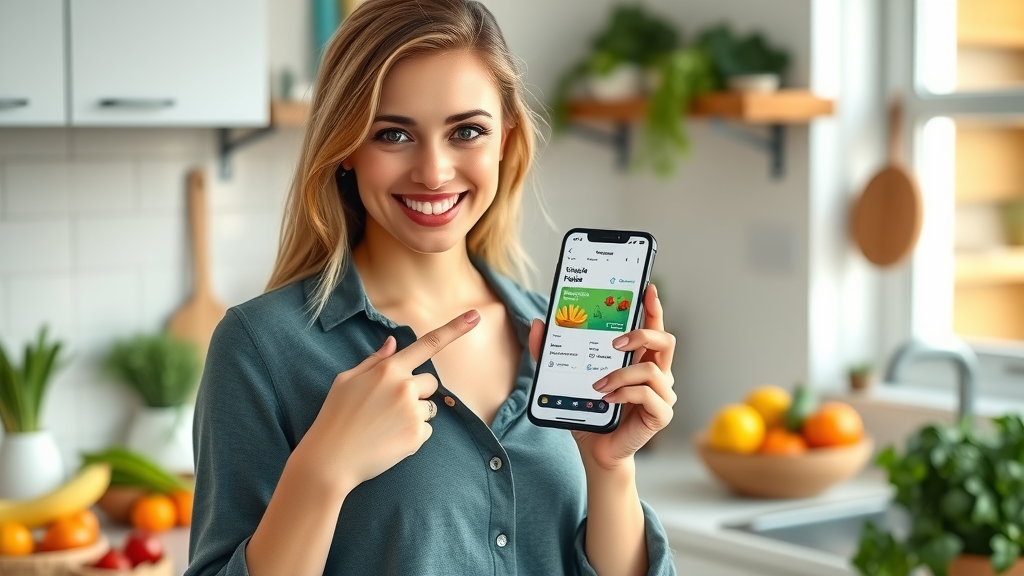
Friendly nutritionist woman holding smartphone with weight loss app in kitchen surrounded by fruits and vegetables, weight loss app for women 2025

How to Choose the Best Weight Loss App in 2025 for Your Goals

With so many weight loss apps to choose from in 2025, making the right decision starts with clarity about your needs and preferences. First, consider what you hope to achieve: Do you want to track every meal, join a supportive community, or follow a science-backed weight loss program? Next, think about your lifestyle—do you need reminders on a busy schedule, or perhaps an app that integrates with your current devices like a fitness tracker? The best loss app for you should empower you to set achievable fitness goals, celebrate milestones, and offer gentle support when you hit bumps in the road.

Don’t underestimate the value of user reviews and expert endorsements. Often, beginner-friendly apps highlight their educational tools, easy food logging through barcode scanners, and diverse food databases—perfect for women wanting clarity and confidence in every step of their journey. If community and motivation are important, pick an app that emphasizes in-app challenges or peer support. Lastly, ensure the app you select keeps your data private and offers a responsive helpdesk, showing that your wellness is truly a priority.

Personalization: Tailoring Weight Loss Apps to Individual Needs

One size doesn’t fit all when it comes to weight loss. The top weight loss apps in 2025 include robust personalization features, allowing users to fine-tune their program for their unique bodies, preferences, and goals. During app setup, you’ll often input your age, activity level, dietary preferences (like vegan or gluten-free), and desired pace of weight loss. Advanced platforms use this information to build detailed meal plans, customized exercise routines, and daily reminders suited just for you.

Women especially benefit from this approach because personalization keeps you motivated and prevents frustration from unrealistic standards. For example, several apps allow users to highlight favorite recipes in their food database or join virtual accountability groups with others who share their fitness goal or dietary restrictions. Whether you’re just starting a weight loss program or adjusting after a plateau, these tailored pathways set you up for long-term success by supporting small, sustainable changes that truly suit your life.

Integrating Fitness Trackers and Calorie Counters

Integration is the heart of a modern weight loss app. Top-ranking weight loss apps in 2025 now seamlessly sync with fitness trackers like Fitbit, Apple Watch, and Garmin, as well as dedicated calorie counter tools. When these elements work together, you can easily monitor steps, activity time, and even heart rate—all of which inform customized daily calorie targets and adjusted exercise recommendations.

This real-time connection ensures you’re not missing any crucial health metrics and helps build a more accurate understanding of your energy balance. The best apps allow users to set reminders for tracking movement, log meals through barcode scanners, and even pull in sleep data for a complete health overview. Thanks to this convenience, even women with hectic schedules can achieve their loss goals while getting the most value from their favorite fitness technology.
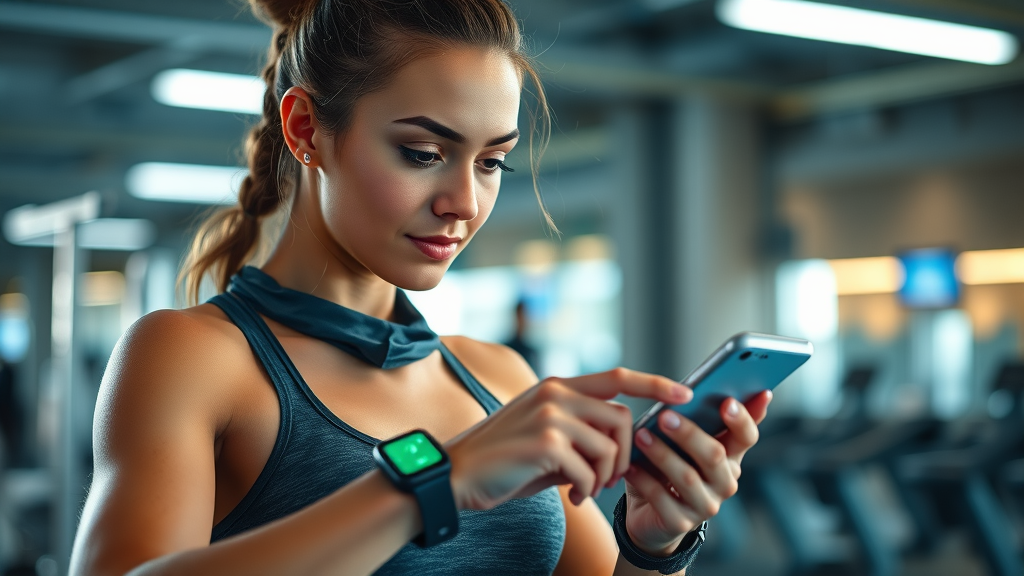
Young woman confidently syncing her fitness tracker with a weight loss app on her smartphone, modern gym, best weight loss app fitness integration 2025

Evaluating Food Database Depth and Barcode Scanner Features

A standout feature of any recommended weight loss app is its food database—the broader and more accurate, the better. Women seeking diverse meal options, international cuisines, or tracking specific dietary restrictions need a database that doesn’t just cover basics. Leading apps not only offer tens of thousands of food entries but also let users add their own recipes or modify nutrition facts as needed. This attention to detail makes calorie tracking easier and more trustworthy, reducing guesswork and helping keep you on target for your weight loss goals.

Meanwhile, the barcode scanner revolutionizes meal logging for busy users. Imagine shopping, scanning new foods, and instantly logging nutrition information—no manual entry, no stress. In 2025, top apps refine their scanners for lightning-fast response times and high accuracy, covering mainstream and specialty brands alike. This ease of use means you’re more likely to stay consistent, which research consistently links to better weight management and sustained results.

Assessing the Community Support in Weight Loss Programs

Achieving weight loss goals gets easier when you’re not doing it alone. That’s why many of the best weight loss apps in 2025 invest in supportive communities, ranging from dedicated chat boards and group video calls to wellness challenges and expert Q&A sessions. Community features let women form connections, share progress, swap success stories, and support one another through setbacks—a proven strategy for boosting motivation and long-term success in any loss program.

The most successful platforms offer tiered support, with general forums for peer encouragement and expert-moderated groups for professional guidance. Some apps match users with accountability partners, while others let you celebrate milestones publicly or privately. For women who thrive on connection, choosing an app with interactive, inclusive communities makes every step toward their fitness goals more enjoyable and less isolating.

Supportive online fitness community for women on video call, diverse home backgrounds, best community weight loss apps 2025

Top 15 Best Weight Loss Apps in 2025 (Ranked)

  1. Noom – Holistic Weight Loss App for Mindful Eating
  2. MyFitnessPal – Versatile Calorie Counter & Food Database
  3. WW (Weight Watchers) – Renowned Weight Loss Program with Support
  4. Lose It! – User-Friendly Loss App with Barcode Scanner
  5. Fitbit – Comprehensive Fitness Tracker & Weight Loss App
  6. Cronometer – Precision Nutrition Calorie Counter
  7. Yazio – Intuitive Weight Loss App for Personalized Plans
  8. PlateJoy – Smart Meal Planner & Food Database Integration
  9. BetterMe – Fitness & Eating Habits App for Beginners
  10. Lifesum – All-in-One Loss App for Diet Tracking
  11. 8fit – Workout App with Weight Loss Program Integration
  12. SparkPeople – Full-Featured Loss App for Community Motivation
  13. HealthifyMe – AI-Powered Calorie Counter and Workout Coach
  14. Simple – Fast and Easy Loss Apps for Busy Lifestyles
  15. Happy Scale – Weight Loss App for Tracking Long-Term Trends

In-Depth Reviews: Features and Pros & Cons of Each Weight Loss App

Let’s break down what sets each app apart, highlighting key features, what works well, and what to watch out for as you evaluate your best fit in 2025:

Noom: Emphasizes habit change and psychology with coaching. Pros: Deep education, excellent progress charts. Cons: Premium pricing.

MyFitnessPal: Renowned calorie counter and meal logger with massive food database. Pros: Free version available, versatile scanning. Cons: Premium tier hiding some features.

WW (Weight Watchers): Community encouragement, supportive workshops, proven results. Pros: Science-backed, personalized group support. Cons: Subscription fee, learning curve for points system.

Lose It!: Easy meal logging, barcode scanner, goal setting for weight loss and weight management. Pros: Friendly interface, smart reminders. Cons: Food database less international than competitors.

Fitbit: All-in-one fitness tracker, loss app, and workout app. Pros: Wearable integration, habit tracking. Cons: Device needed for advanced features.

Cronometer: Focus on nutrition, micronutrient tracking, and calorie counting. Pros: Detailed reports, customizable entries. Cons: Interface may be overwhelming for beginners.

Yazio: Personal diet plans and intuitive calorie tracking. Pros: Well-designed, affordable. Cons: Less focus on exercise features.

PlateJoy: Automated shopping lists and meal planning linked to food database. Pros: Customizable for allergies/preferences. Cons: Subscription cost, more meal plan focus than tracking.

BetterMe: Takes a holistic approach, including guided workouts for those just starting out. Pros: Beginner-friendly, supportive. Cons: Some features require premium unlocks.

Lifesum: Versatile meal, activity, and water tracking. Pros: Stylish design, easy to use. Cons: Navigation may take time to learn.

8fit: Combines workout app and loss app. Pros: Custom workouts and nutrition plans. Cons: Limited food database compared to top rivals.

SparkPeople: Blend of tracking and community-based motivation. Pros: Awards, badges, robust features. Cons: Can feel cluttered to new users.

HealthifyMe: AI-driven diet recommendations, fitness trackers, and Indian food focus. Pros: Personalized insights, easy scanning. Cons: Less focus on Western foods/recipes.

Simple: Designed for simplicity, fasting-friendly tools. Pros: Clear guidance, fast logs. Cons: Fewer detailed metrics.

Happy Scale: Tracks trends to reduce scale anxiety. Pros: Visual progress insights. Cons: Not a complete food tracker.

Comparison of Top Weight Loss Apps in 2025 by Price, Features, and Effectiveness
App Name Free Version? Calorie Counter Barcode Scanner Community Support Personalization Device Integration
Noom No Yes Yes Yes Advanced Apple Watch, Fitbit
MyFitnessPal Yes Yes Yes Yes Custom Most Fitness Trackers
WW No Yes No Yes Advanced Apple Watch
Lose It! Yes Yes Yes Partial Yes Apple Watch, Fitbit
Fitbit Yes Yes Yes Partial Wearable-Based Fitbit Devices

Weight Loss Program Integration: Apps That Support Comprehensive Loss Goals

The best weight loss apps in 2025 stand out because they integrate seamlessly with established weight loss programs and offer tools to ensure consistency across fitness, nutrition, and healthy habits. Whether you’re following a classic points system like WW or prefer a more personalized, app-driven approach, these platforms empower you to bring together meal tracking, workout app routines, and behavioral coaching under one digital roof.

If you are starting a loss program for the first time, look for apps that provide clear, step-by-step guidance and celebrate every small win along the way. Integration means less time switching between apps and more focus on your journey, making weight management less overwhelming and more achievable for beginners and long-term users alike.

Linking Workout Apps and Fitness Trackers

Interconnectivity is a hallmark of modern health technology. Many of the top weight loss apps in 2025 allow you to sync directly with your preferred workout app or fitness tracker. This means your steps, exercise sessions, and even resting heart rate automatically feed into your daily summary, which helps you set and stick to realistic loss goals. You’ll spend less time logging workouts and more time focusing on what matters—moving your body, gaining strength, or simply enjoying new fitness milestones.

This seamless experience gives women a better understanding of how everyday activity impacts their calorie needs and eating habits. No matter your favorite exercise routine—walking, running, strength training, or yoga—digital integration ensures every step and rep counts. Over time, this improves not just weight loss outcomes, but also your broader health and wellness.

Customizing Weight Loss Apps Based on Eating Habits

Every woman’s approach to food and dieting is unique, making custom nutrition important for sustainable progress. Many weight loss apps recognize that restrictive meal plans don’t fit every lifestyle, so they now offer flexible tracking, suggested swaps, allergy filters, and the ability to build your own healthy recipes. With detailed food databases and easy barcode scanners, these platforms adapt their advice as your tastes or needs change—an invaluable tool for avoiding diet fatigue or falling into old routines.

Healthy woman preparing salad using a weight loss app on her tablet, kitchen fresh veggies, customizing weight loss app based on eating habits 2025

By focusing on your personal eating habits, top apps help you identify patterns, celebrate improvements, and pinpoint areas for gentle change. Women can use these insights to build meal plans that reflect culture, preferences, and even preparation skill level, ensuring that positive nutrition habits are not just adopted, but truly enjoyed and sustained.

Optimizing Loss Apps for Long-Term Weight Loss Success

True success with a weight loss app is about long-term habit changes, not quick fixes. Efficient apps focus on steady progress, offering built-in reminders, motivational badges, visual progress charts, and expert content to keep you motivated when progress feels slow. Aim for apps that help you plan ahead: meal prep reminders, workout scheduling, and community check-ins all play a vital role in lasting transformation.

In 2025, the best digital health solutions offer tailored follow-up prompts, celebrate non-scale victories, and help you adjust your goals as you get stronger or face new challenges. This ongoing support is what keeps many women engaged for months (and years) rather than weeks, turning new habits into a truly healthy lifestyle.

Key Features to Look for in the Best Weight Loss Apps in 2025

  • Robust Barcode Scanner for Effortless Food Logging
  • Extensive Food Database for Every Cuisine
  • Customization for Weight Loss Goals and Loss Programs
  • Motivational Tools and Community Support
  • In-App Fitness Trackers and Workout Plans
  • Seamless Calorie Counter Integration
"The best weight loss apps in 2025 aren’t just trackers—they’re coaches that empower women to overhaul their lifestyles." – Registered Nutritionist

Smartphone scanning food barcode with dynamic beam in grocery aisle, best barcode scanner weight loss app 2025

Beginner-Friendly Advice: How to Set Realistic Weight Loss Goals Using Apps

Starting your weight loss journey can feel daunting, but the right digital tools help you break big aspirations into achievable milestones. Look for weight loss apps that encourage you to set incremental, realistic objectives—like losing a pound a week or logging meals five times a week. This baby-step approach builds momentum, keeps frustration at bay, and celebrates consistency, which is more important than perfection. Many leading apps allow you to personalize reminders and set gentle nudges so goals fit naturally into your routine, not the other way around.

As you progress, regularly review your goal settings and update them based on feedback from your app’s analytics or your own reflections. Use built-in charts to visualize progress and highlight non-scale victories—such as improved energy, better sleep, or higher step counts. Celebrating these wins makes you more likely to stick with your plan, overcome setbacks, and keep making progress—one small, attainable victory at a time.

Breaking Down Big Loss Goals into Achievable Steps

Big goals can be intimidating, but breaking them into smaller chunks can make everything feel within reach. Top loss apps help by prompting you to define weekly or monthly milestones—like logging 10,000 steps/day, preparing healthy meal plans at home more often, or completing a set number of workouts each week. Visual charts and daily reminders are powerful motivators, turning daunting challenges into a series of simple, achievable steps.

By focusing on the journey instead of the finish line, you’ll discover that consistency is more important than speed for sustainable weight management. Reflect regularly on each accomplishment, even the smallest, and use your app’s community features to swap encouragement with other women on similar paths.

Tracking Eating Habits with Top Loss Apps

One of the most transformative features of a modern weight loss app is the ability to track—and then improve—your eating habits. Whether you’re using food logs, meal photos, or macro trackers, the act of writing down what you eat helps you develop greater food awareness and fosters a healthier relationship with food. Many apps provide gentle feedback, suggest low-calorie swaps, or flag patterns like evening snacking, all of which can spark lasting change.

Happy young woman tracking meals on weight loss app, visible progress charts, relaxed home office, tracking eating habits with weight loss app 2025

Top apps also let you set custom nutrition goals—like hitting a certain protein target, increasing fiber, or managing sugar intake. By reviewing weekly reports or checking progress charts, you can make data-driven tweaks to your diet without feeling deprived or overwhelmed.

Staying Motivated with In-App Fitness Communities

Motivation often fades when tackling weight loss alone, but engaging with an active digital community can reignite your resolve. In-app communities offer challenges, virtual high-fives, and solution-sharing on tough days. Many weight loss apps feature chat rooms, leaderboards, or video support groups designed to help you stay on track with your fitness goals.

For many women, public encouragement or simply observing others’ progress is a source of inspiration—especially during plateaus. Lean on your app’s motivational features during low-motivation days, and don’t hesitate to celebrate both your efforts and your community’s successes; you’re building more than muscle or stamina—you’re building confidence and resilience for the long haul.

Maximizing Results: Using Calorie Counters and Barcode Scanners for Daily Success

To optimize every effort on your wellness journey, it’s important to use every tool at your disposal. Barcode scanners and calorie counters simplify meal tracking, making the process fast and accurate. By consistently scanning foods—at breakfast, lunch, dinner, or the grocery store—you’ll make healthier decisions and see the direct impact on your daily weight loss goals. This real-time data also keeps you mindful of tricky “hidden” calories and supports better portion choices.

Apps with expansive food databases further enhance meal logging accuracy, covering global cuisine and packed foods alike. When paired with fitness tracker syncing, your loss app can provide even deeper insights—showing the connection between what you eat, how you move, and how your body responds over time.

Best Practices for Food Logging with a Barcode Scanner

For beginners, using a barcode scanner can be a game-changer. When possible, scan foods before purchase to plan smarter grocery trips. Always double-check scanned entries for portion size and nutritional information—the best weight loss apps allow you to edit details as needed. When eating out, log meals right away using the app’s search or photo feature if a barcode isn’t available. Frequent and honest logging, even on less-than-perfect days, builds true food awareness and fosters more mindful eating habits.

Additionally, set aside a dedicated time each day—such as after dinner or during a break—to review your food logs and reflect on progress. This regular review creates a healthy feedback loop, motivating you to stay on track every day.

Leveraging Food Databases to Stay Informed

A well-curated food database is more than just a list of calories; it’s your nutrition encyclopedia. Use this resource to look up restaurant dishes, learn about micronutrients, and discover new recipes or ingredient swaps. Many top apps highlight healthy alternatives to popular foods, making it easy to experiment without derailing your progress. As you explore, you’ll become more confident making informed decisions—at home, dining out, or meal prepping for the week.

Over time, the best loss apps help you develop healthier habits, offering education and insight that lasts. Take time to explore the app’s database features—this is where true food literacy and confidence are built.

Syncing Workouts and Loss Apps for Complete Health Tracking

Integrated health tracking ensures you consider nutrition and exercise as a unified whole. Sync your workout app with your weight loss app to paint a clearer picture: How do your runs or strength-training sessions influence your appetite, sleep, or energy levels? By uniting these data streams, you can adjust your loss program in real-time, optimize your energy balance, and avoid unexpected plateaus.
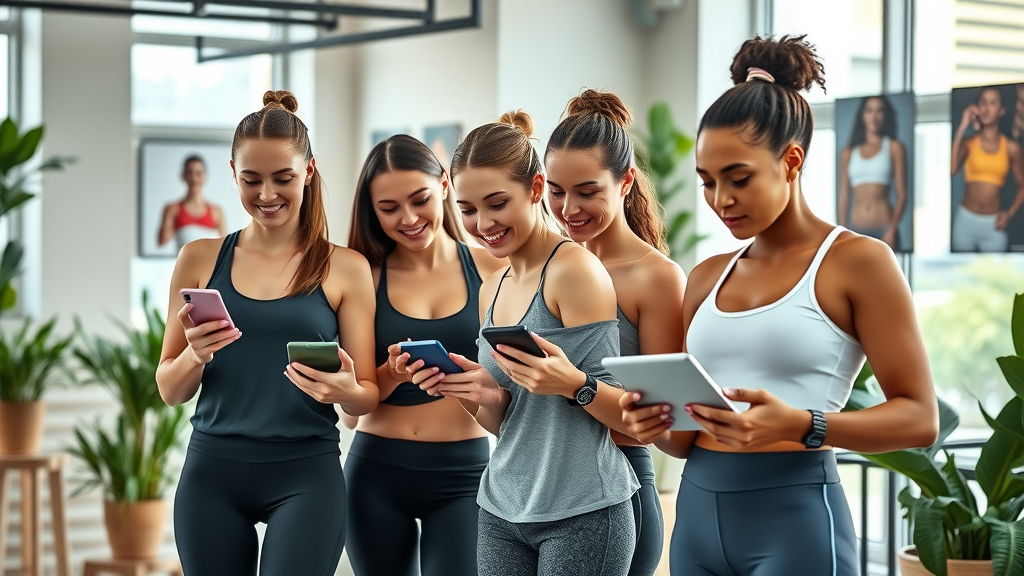
Group of women in activewear reviewing health data on devices in a co-working wellness space, syncing workouts and weight loss apps 2025

This big-picture approach allows you to celebrate all types of progress—on the scale, during workouts, or in everyday living—helping you form a balanced, rewarding relationship with both food and movement.

People Also Ask About the Best Weight Loss Apps in 2025

What is the best weight loss program for 2025?

Answer: The best weight loss program for 2025 seamlessly integrates with popular weight loss apps, offering personalization, community support, and proven results for women.

What is the #1 weight loss app?

Answer: Based on user ratings and feature richness, Noom and MyFitnessPal lead as the #1 weight loss apps in 2025, trusted for reliability and comprehensive tracking.

Is MyFitnessPal free in 2025?

Answer: MyFitnessPal offers a robust free version in 2025, including calorie counting, barcode scanning, and a food database, with premium options available.

What is the 3-3-3 rule for weight loss?

Answer: The 3-3-3 rule recommends eating three balanced meals, incorporating three servings of vegetables, and engaging in three 10-minute walks daily for effective beginner weight loss.

Expert-Approved Tips: Getting the Most Out of Your Weight Loss App

  • Set actionable and clear fitness goals
  • Engage with the weight loss app’s community for motivation
  • Schedule regular check-ins with built-in fitness trackers
  • Leverage detailed loss progress charts for encouragement

Joyful woman celebrating progress, checking milestones on weight loss app, living room with medals, best weight loss app for women 2025

Key Takeaways from the Best Weight Loss Apps in 2025

  • Digital solutions are revolutionizing the way women approach weight loss in 2025
  • Personalization, tracking, and motivation are at the core of effective weight loss apps
  • Choosing the right app can jumpstart a lasting, healthier lifestyle

Frequently Asked Questions about the Best Weight Loss Apps in 2025

  • Can I track workouts and meals in a single app?
    Yes, most top-rated weight loss apps in 2025 combine meal and fitness tracking, saving you time and providing a complete health overview.
  • Are weight loss apps safe for women of all ages?
    Leading loss apps comply with privacy and safety standards, but always consult a registered dietitian or healthcare provider if you have underlying health concerns or are on loss medication.
  • How accurate are calorie counters and barcode scanners?
    Modern calorie counters and barcode scanners are highly accurate, but always double-check and adjust entries for portion sizes and personal dietary needs.
  • What type of fitness tracker pairs best with top loss apps?
    Most apps pair well with mainstream devices like Fitbit, Apple Watch, and Garmin, ensuring reliable step, workout, and nutrition syncing.

Your Path Forward: Start Using the Best Weight Loss App in 2025 Today

"Every journey begins with a single step—download one of the best weight loss apps in 2025 and invest in your well-being today."

Visit our website at ThisPageOnHealth.com to learn more

Ready to get started? The future of weight loss is digital, supportive, and tailored just for you. Take control today!

Sources

  • https://www.cdc.gov/obesity/data/index.html
  • https://www.ncbi.nlm.nih.gov/pmc/articles/PMC6362885/
  • https://www.healthline.com/nutrition/best-weight-loss-apps
  • https://www.womenshealthmag.com/weight-loss/a35199998/best-weight-loss-apps/

In 2025, the landscape of weight loss apps has evolved significantly, offering a variety of features tailored to individual needs. For a comprehensive overview, consider exploring the article “5 Best Weight Loss Apps Of 2025 – Forbes Health,” which provides detailed insights into top-rated apps, including their standout features and user experiences. Additionally, “Best Weight Loss App (2025) | Garage Gym Reviews” offers in-depth reviews and comparisons, helping you make an informed decision based on your personal weight loss goals. If you’re serious about finding the right digital tool to support your health journey, these resources will provide valuable guidance and clarity.


Fitness

265 Views

Write A Comment

*
*
Please complete the captcha to submit your comment.
Related Posts All Posts
10.07.2025

Mobile Apps for Weight Loss You Can’t Afford to Miss

Ready for an eye-opener? Did you know that users of mobile apps for weight loss are twice as likely to reach their wellness goals compared to those who try to lose weight without digital support? Whether you’re just beginning or have tried every traditional loss app, this guide helps you discover how weight loss apps can transform your journey—making things simple, motivational, and even fun! You’ll learn about the best apps for weight, features that work for real women, and how to set goals and stick with them. Let’s step into a world where your smartphone becomes your most powerful ally in your weight loss program. A Surprising Statistic: How Mobile Apps for Weight Loss are Transforming Results Studies reveal a powerful trend in weight loss success: In recent years, mobile apps for weight loss have helped millions of women double their rate of healthy weight loss. Why? Innovative features like calorie counters, daily step tracking, and meal plan reminders keep users accountable and motivated. With easy access to nutrition databases and customized loss goals, women have the tools they need right at their fingertips. Forget the old paper food diaries and confusing calculations—today’s fitness apps bring a modern, user-friendly solution to a timeless challenge. By leveraging technology, mobile app users can track calories in seconds, scan barcodes for instant nutrition info, and record physical activity with a single tap. This real-time feedback makes it easier than ever to stick to your goals and adjust plans on the go, especially for busy beginners focusing on weight management, exercise, or improved eating habits. For women starting a weight loss program, this data-driven approach ensures support every step of the way. What You'll Learn From This Mobile Apps for Weight Loss Guide The top-rated mobile apps for weight loss this year How each mobile app supports weight loss goals for beginners Tips for choosing the right weight loss app for your lifestyle Benefits of tracking app features, including calorie counter and physical activity Why Mobile Apps for Weight Loss Are Game-Changers Mobile apps for weight loss aren’t just trendy—they’re game-changers. These apps offer more than just calorie counting. They transform how you set goals, manage eating habits, and participate in community support—all from the convenience of your phone. Women who use weight loss apps describe feeling more empowered and accountable, with constant reminders and progress tracking keeping motivation alive between weigh-ins and workouts. Most apps for weight combine rich meal plan databases, intuitive interfaces, and integrated physical activity tracking, so you always know how your choices add up in real time. Whether you’re starting a new loss program or upgrading your routine, the right weight loss app gives you the structure, inspiration, and knowledge you need to reach your goals—while making the process less overwhelming and more enjoyable. “Studies show that people using weight loss apps can lose up to twice as much weight compared to those who don’t track their progress.” How Mobile App Features Boost Motivation and Accountability The best mobile apps for weight loss weave motivation and accountability into every feature. Built-in reminders encourage you to log meals, track calories, and record physical activity, while push notifications prompt users to stay consistent even on busy days. Many loss apps also make goal setting easy with personalized dashboards, helping women identify patterns and celebrate small wins. Community participation is another powerful motivator. Within most weight loss apps, users can join challenges, share milestones, and exchange tips with others working toward similar loss goals. These social support features create a sense of camaraderie, accountability, and encouragement—key factors that research links directly to lasting weight loss. In short, mobile apps bring the best of personal coaching and group support straight to your fingertips, making it easier than ever to stay on track. Top 10 Mobile Apps for Weight Loss in 2024: Features, Pros, and Cons Choosing the right mobile app for weight loss can make all the difference for beginners. We’ve ranked the best weight loss apps of 2024 based on their unique features, pros and cons, pricing, and user satisfaction. Each tracking app below is especially beginner-friendly, allowing you to start your weight loss journey with confidence and clarity. Comparison of Mobile Apps for Weight Loss: Pricing, Key Features, and User Ratings App Name Free Version Top Features Best For User Rating MyFitnessPal Yes Calorie counter, meal plans, community support All-around tracking & beginners 4.8/5 Lose It! Yes Barcode scan, goal setting, food database Effortless calorie counting 4.7/5 Noom Trial Only Behavioral coaching, articles, daily check-ins Long-term habit change 4.6/5 WW No (Paid) Points system, recipes, group support Community & recipes 4.5/5 Yazio Yes Meal plans, fasting support, goal tracking Personalized nutrition 4.5/5 Cronometer Yes Micronutrient tracking, meal analysis Detail-oriented tracking 4.4/5 SparkPeople Yes Beginner guides, community forums Motivational support 4.3/5 Lifesum Yes Flexible meal plans, daily challenges Engaging, lifestyle variety 4.4/5 Fitbit Yes Activity & sleep tracking, reminders Wearable integration 4.6/5 Simple Yes Fasting notifications, meal logging Intermittent fasting focus 4.3/5 1. MyFitnessPal – The Comprehensive Weight Loss App Leading calorie counter and macro tracker Custom weight loss goals and physical activity monitoring Strong community and meal database MyFitnessPal has long been a leader in the space of mobile apps for weight loss, offering one of the largest meal databases—over 14 million foods, including global cuisines. The feature-rich app makes it easy to track calories, set goals, analyze eating habits, and monitor progress, even if you’re new to a weight loss program. A barcode scanner simplifies meal logging, while personalized goal dashboards let you adjust your calorie counter and macros for specific needs—whether you want to lose weight, build muscle, or develop healthier habits. The active online community provides both accountability and encouragement, so you’re never alone in your journey. The free version includes most core features, making it a top choice for beginners and experienced users alike. 2. Lose It! – Effortless Calorie Counting and Food Scanning Simple interface ideal for beginners Barcode scanner to easily track calories Personalized set goals and loss tracking Lose It! is the ultimate loss app for anyone who wants calorie counting to be as quick and easy as possible. Its clean, colorful interface focuses on simplicity, perfect for those starting their first weight loss program. The barcode scanner lets you instantly log store-bought food items, and nutrition facts are automatically updated. Set goals for weight, calories, or physical activity, and let Lose It! guide you with reminders and visual charts. The robust free version covers basics like calorie logging and goal tracking, while premium upgrades add custom meal plans and deeper analytics. If you want straightforward, no-fuss tracking, Lose It! is one of the best weight loss apps to try. 3. Noom – Behavioral Approach to Weight Loss Focus on healthy eating habits Offers coaching for sustained weight loss Helpful articles and daily check-ins Noom takes weight loss beyond calorie counting by using psychology and science-based strategies to help you change behaviors and build sustainable habits. With Noom’s mobile app, you get personalized loss program guidance and daily “mini lessons” that teach you to rethink eating habits, manage cravings, and develop healthy routines. The app pairs you with a personal coach, plus access to an online group for support. Most features—like food and activity logging, color-coded meal guidance, and progress check-ins—are designed to educate and motivate. Although Noom’s premium program is a paid subscription, many women find the investment pays off with better long-term results and a healthier mindset. 4. WW (Weight Watchers) – Points-Based Weight Loss App Award-winning tracking app with recipes and workouts Interactive group support for women Encourages balanced eating and daily activity The WW app (formerly Weight Watchers) is built around its innovative points system, guiding users to make healthier food choices and stay within daily targets. Recipes, workouts, and “Connect” social communities support every step of your journey. Set goals for weight, physical activity, and nutrition, and receive customized recommendations based on your progress. WW’s rich resource library, including weekly workshops for women, makes healthy living less confusing and more accessible for beginners. While there’s no free version, many women appreciate WW for its supportive environment, diverse meal plan options, and evidence-based success rates. 5. Yazio – Personalized Nutrition Plans for Weight Loss Meal planning with intermittent fasting support Integrates calorie counter and physical activity logging Easy-to-follow recommendations Yazio stands out among weight loss apps for its detailed nutrition profiles and built-in support for intermittent fasting. With a streamlined interface, users can create meal plans, log foods, and tailor calorie counters to their unique needs. Yazio includes recipes, shopping lists, and progress tracking, all accessible in the free version. For women interested in experimenting with fasting or specific dietary approaches (vegetarian, low-carb, etc.), Yazio offers easy switching between plans and actionable advice for each goal. Beginners appreciate how it takes the guesswork out of building healthier habits, making it one of the most flexible apps for weight loss in 2024. 6. Cronometer – Micronutrient Focused Weight Loss App Tracks vitamins and minerals along with calories Useful for specialized eating habits like keto Detailed nutrition insights If you want to go beyond the basics of calorie counting, Cronometer is the weight loss app for detail-oriented users. This mobile app lets you track not only calories and macros but also dozens of vitamins, minerals, and other nutrients critical for health. Especially useful for women with specialty diets such as keto, vegan, or paleo, Cronometer helps you make sure your meal plan supports balanced nutrition and weight management. Progress charts and robust database options allow for accurate goal setting and progress checks. The free version is comprehensive, with a paid upgrade adding spotlights for fasting and custom reports. 7. SparkPeople – Community-Based Weight Loss Support Extensive resources for beginners Step-by-step set goals guidance Active forums for motivation SparkPeople is all about making support and education available to everyone. This mobile app is packed with guided challenges, meal plans for weight loss, and community forums where women can ask questions, share tips, or find accountability partners. SparkPeople encourages gradual, sustainable progress, offering goal tracking, articles on healthy eating habits, and integration with fitness devices. The free version delivers generous features for those starting a weight loss journey, with numerous reminders and motivation prompts tailored to beginners. If your favorite weight loss app is the one that feels like a virtual support group—you’ll love what SparkPeople offers. 8. Lifesum – Recipes and Daily Weight Loss Challenges Flexible dieting for various lifestyles Interactive calorie counter and water tracker Engaging interface for tracking app progress Lifesum combines appealing design with practical features to help you reach your goals and track every step. Its flexible programs cater to different eating habits (high-protein, Mediterranean, intermittent fasting, etc.), and daily challenges keep things interesting. The calorie counter is fast and visually engaging, and water intake features encourage holistic health. Beginners find Lifesum intuitive, thanks to its colorful layout and swipe-friendly tracking. This weight loss app is ideal if you’re looking for diverse recipes, inspiration, and an overall engaging user experience to make healthy changes stick. 9. Fitbit – Mobile App for Weight, Activity & Sleep Tracking Track calories, physical activity, and sleep quality Set goals with daily progress reminders Integrates with Fitbit wearables for holistic tracking Even if you don’t own a Fitbit, the Fitbit app is a fantastic way to track your weight, steps, calories, and even your sleep—all in one place. For women looking to take charge of their entire health picture, this mobile app delivers comprehensive data for goal setting and habit change. The app offers social support groups for accountability, while progress notifications help you stay motivated. Integration with Fitbit wearables unlocks even more detailed goal tracking and analysis (like heart rate). The free version covers core weight loss needs and is perfect for those who value a holistic approach to health. 10. Simple – Intermittent Fasting Tracker for Weight Loss User-friendly fasting notifications Healthy eating habit encouragement Connects daily routines with loss goals If you want to experiment with intermittent fasting for weight loss, Simple is the weight loss app designed just for you. Simple makes it easy for beginners to select fasting plans, log meals, and receive helpful reminders throughout the day. The visual progress charts show fasting windows, meals, and water intake, making it easier to build new routines linked to your specific goals. The app provides gentle encouragement and practical tips for healthier eating habits, emphasizing safety and sustainability. Simple is a standout free version tracker for intermittent fasting fans, offering clarity and support without overwhelming users. How to Choose the Best Mobile Apps for Weight Loss Consider your personal goals (lose weight, gain muscle, improve eating habits, etc.) Look for user reviews and expert recommendations Evaluate ease-of-use and feature sets (calorie counter, physical activity tracking, goal setting, etc.) Selecting the right weight loss app is a deeply personal decision. Beginners should start by clarifying what they need most: a comprehensive tracker, meal plan inspiration, community support, or intermittent fasting guidance. Carefully read user reviews and look for endorsements from trusted nutrition or fitness professionals. Think about your tech comfort level—is an easy-to-navigate interface a must, or do you want sophisticated analytics? Many apps offer a free version or trial, so explore a few before committing. Aim to find an app that simplifies meal and activity tracking, fits your preferred approach (keto, vegan, calorie counter, etc.), and keeps you motivated with reminders for setting and reaching your goals. Beginner Tips for Getting the Most Out of Weight Loss Apps Set achievable and realistic loss goals Track calories daily for consistent progress Utilize physical activity and meal logging features Engage with app communities for support Starting your journey with mobile apps for weight loss doesn’t have to be overwhelming. Focus first on setting realistic, specific goals—for example, aiming to lose just 1-2 pounds per week rather than dramatic targets. Make logging a daily habit, as consistency is key to unlocking your tracking app’s full potential. Take advantage of physical activity and calorie tracker features to identify healthy patterns, and log even the small wins. If you hit a plateau or lose motivation, connect with online communities inside your app. Sharing struggles and victories can inspire you to keep pushing toward your loss program’s milestones, and you’ll likely find tips from women who’ve been where you are now. People Also Ask What is the best app to help lose weight? Best App to Help Lose Weight: Expert Insights The best app to help lose weight is one that aligns with your unique goals and lifestyle. Top choices like MyFitnessPal, Lose It!, and Noom consistently receive high marks for ease-of-use, customizable food and exercise tracking, and supportive communities. Beginners often find that starting with a simple, free calorie counter (like Lose It! or Yazio) makes daily progress easier, while others prefer advanced analytics or supportive coaching (as in Noom or WW). Whichever app you select, focus on finding a loss app that matches your daily routine, makes tracking feel manageable, and keeps you motivated with social support and goal reminders. What is the 3-3-3 rule for weight loss? Understanding the 3-3-3 Rule in Weight Loss Apps The 3-3-3 rule is a guideline that helps many beginners balance their approach to healthy weight loss. It often means striving for three balanced meals, three healthy snacks, and at least three physical activity sessions each week—or for some, it means tracking three key components daily: food intake, exercise, and hydration. Weight loss apps make following the 3-3-3 rule simple by offering daily logs, reminders, and visual progress charts to keep all these areas top of mind. Consistency in tracking and reviewing these three habits is essential for a balanced, sustainable journey. Is a 30 minute walk every day enough to lose weight? Physical Activity and Weight Loss: What the Experts Say For many women just starting out, a 30-minute walk each day can be a strong foundation for weight loss—especially when paired with tracking calorie intake in a weight loss app. Walking is a form of moderate-intensity physical activity that helps burn calories, promotes cardiovascular health, and builds consistency. Research suggests combining daily walks with mindful eating and regular use of tracking apps produces better long-term results than exercise alone. To accelerate progress, apps often recommend integrating other forms of activity (like strength training or stretching) at your own pace. The most important step? Staying active and consistent. Can you lose 10 pounds in 3 weeks? Healthy Weight Loss Goals with Mobile Apps It is generally not recommended to aim for “rapid” weight loss, such as losing 10 pounds in only three weeks. Health experts and most loss apps advise targeting 1–2 pounds per week—for most women, this is a sustainable, safe rate that reduces the risk of regaining lost weight or developing an eating disorder. Mobile apps for weight loss encourage gradual progress by tracking calories, setting healthy goals, and adjusting meal plans as needed. These features help you make healthier choices and celebrate achievable milestones, setting you up for long-term weight management and well-being. FAQs About Mobile Apps for Weight Loss Are weight loss apps effective for beginners? Yes, weight loss apps are designed with beginners in mind, providing step-by-step guidance, reminders, and easy logging tools to help you get started and stay consistent with your loss program. Can a free weight loss app really make a difference? Most free versions of top tracking apps offer robust features like calorie counters, activity tracking, and healthy meal plans, making them very effective for women seeking affordable weight loss support. What features should I look for in a mobile app for weight loss? Look for an intuitive calorie counter, custom goal setting, food and activity logging, community forums, and compatibility with your preferred device. Simplicity and motivation tools are especially important for beginners. How often should I use a tracking app? Daily use is ideal! Consistent logging helps spot trends, maintain momentum, and identify areas where you can make healthier choices and reach your goal more efficiently. Key Takeaways: Making Mobile Apps for Weight Loss Work for You Consistency with tracking leads to better results. Personalization is key—choose features that suit your needs. Community support boosts accountability and motivation. Ready to Start Your Journey? "Every step towards healthier habits counts, no matter how small." Visit our website at ThisPageOnHealth.com to learn more Sources https://www.ncbi.nlm.nih.gov/pmc/articles/PMC5561684/ https://www.cdc.gov/healthyweight/losing_weight/index.html https://www.mayoclinic.org/healthy-lifestyle/weight-loss/in-depth/weight-loss/art-20047752 https://www.sciencedaily.com/releases/2020/07/200713092901.htm https://www.healthline.com/nutrition/best-weight-loss-apps https://www.womenshealthmag.com/weight-loss/a19981384/best-weight-loss-apps/ Incorporating mobile apps into your weight loss journey can significantly enhance your ability to track progress, stay motivated, and achieve your goals. For instance, MyFitnessPal offers a comprehensive platform for monitoring calorie intake and exercise, boasting a vast food database and integration with various fitness devices. Similarly, Lose It! provides personalized calorie budgets and features like barcode scanning to simplify food logging. If you’re serious about leveraging technology to support your weight loss efforts, these resources offer valuable tools to guide and sustain your progress.

10.07.2025

AI in Fitness Apps: The Future of Smart Workouts

Did you know that by 2025, over 30% of fitness app users are expected to rely on AI-driven guidance over traditional trainers? AI in fitness apps is quickly shifting the landscape, offering smart, personalized support right in your pocket. For women who are just starting out on their fitness journey — or struggling to stick with a health routine — these innovations could be the missing link to long-term success. The promise of artificial intelligence in fitness isn’t just hype; it’s helping real people achieve real results. In this beginner-friendly guide, you’ll uncover how AI fitness apps work, their benefits and limitations, and why smart workouts are the future of health and wellness. Startling Facts: How AI in Fitness Apps Is Rewriting the Fitness Industry "By 2025, over 30% of fitness app users are expected to rely on AI-driven guidance over traditional trainers." – Industry Report AI in fitness apps personalizes every workout AI fitness apps are transforming the fitness industry Fitness apps using artificial intelligence increase long-term engagement AI in fitness apps isn’t just an exciting trend—it’s fundamentally reshaping how individuals, especially women new to exercise, approach health and fitness. Studies and industry insight highlight a huge spike in engagement and user retention when artificial intelligence powers app recommendations and routines. The fitness industry is taking note, as more people see just how big a difference smart guidance can make. This radical shift to AI-powered support offers a compelling, data-driven alternative to costly personal trainers and generic fitness plans, leveling the playing field for beginners everywhere. What You'll Learn About AI in Fitness Apps What are AI fitness apps and their core features? How AI is changing the workout plan landscape The benefits and limitations of using AI in fitness Beginner-friendly advice for starting with AI apps Real-world perspectives from users of AI fitness apps This article is crafted for beginners—especially women—seeking practical advice and honest insights. You’ll discover expert-backed reasons why ai fitness apps are a smart first step and get inspired by real user stories of transformation. We’ll also address concerns around data privacy and personalization to ensure you feel confident diving into your health journey. Understanding AI in Fitness Apps: The Basics Defining AI in Fitness and Fitness Apps What makes a fitness app 'smart'? The role of artificial intelligence and ai algorithms Examples of current ai fitness apps and ai app features A smart fitness app uses advanced AI algorithms and machine learning to learn from your activity, fitness level, and preferences, adapting workouts in real time. Unlike traditional apps that simply log exercises, an ai fitness app learns from your data—like steps, heart rate, mood, and progress—to calibrate every workout plan just for you. Examples such as Freeletics, Fitbod, and Vi Trainer interpret this user data to offer not only tailored exercises but also continuous feedback and motivation, eliminating the guesswork for fitness beginners. Their core features—such as adaptive workout routines, automatic plan adjustments, and performance insights—make them reliable digital coaches, especially for those intimidated by standard gyms or trainers. The Rise of AI Fitness in the Fitness Industry "AI fitness is not just a trend – it’s the future of personalized health." – Fitness Tech Analyst In just a few years, ai in fitness has moved from a tech curiosity to a mainstream tool in the fitness industry. Now, even established fitness brands are racing to integrate artificial intelligence into their apps and programs, eager to deliver better results for users at all fitness levels. Key drivers include the rapid evolution of ai apps for analyzing movement, customizing workout plans, and providing real-time feedback. The scalability and affordability of digital AI trainers mean that anyone—regardless of experience—can access a supportive fitness coach and a personalized workout without huge upfront costs. How AI in Fitness Apps Works: Key Technologies and Methods AI Algorithms that Personalize Workout Plans Comparison Table: Traditional Workout Plan vs. AI-Generated Personalized Workout Aspect Traditional Workout Plan AI-Generated Personalized Workout Customizability One-size-fits-all, may require manual adjustment Fully personalized using real-time user data, fitness level, and preferences Progress Tracking Mainly manual, based on self-reporting Automatic, using wearable sensors and in-app tracking Feedback & Motivation Static, non-interactive Dynamic, instant feedback and adaptive encouragement Adjustments Infrequent and generic Continuous, based on performance and activity level Cost High if working with a personal trainer Affordable; rarely requires a trainer AI algorithms constantly refine your workout plan by crunching the data from your workouts, recovery times, and goals. Instead of generic routines, these ai fitness apps deliver a personalized workout—a crucial advantage for beginners or anyone facing motivation hurdles. Through ongoing analysis, machine learning algorithms ensure that every session remains interesting, effective, and closely attuned to your current fitness level. This tech-driven approach bridges the gap between high-quality, in-person coaching and the limitless accessibility of digital fitness. Tracking Your Fitness Level: Data Collection in AI Fitness Apps One of the biggest strengths of ai in fitness apps is their ability to track your fitness level with remarkable accuracy. Most apps sync easily with wearables—like smartwatches or fitness bands—collecting user data on heart rate, steps, calories, and even sleep quality. The collected data feeds ai algorithms that then generate actionable insights and adjust the difficulty of future workouts automatically. This eliminates manual logging, reduces errors, and ensures smooth progress for users at every stage, creating a seamless blend of artificial intelligence with your everyday routines. From AI App to Personalized Trainer: How Artificial Intelligence Delivers Custom Workout Routines Factors considered: fitness level, history, goals AI vs. personal trainers – pros and cons Whether you’re starting at zero or have dabbled in workouts before, an ai app collects and learns from your personal statistics, exercise history, and fitness goals. Using machine learning, these apps mimic the kind of skilled observation a personal trainer would provide—except they’re accessible anywhere and much more affordable. While AI can’t deliver hands-on form correction or human empathy, its ability to adapt to fatigue, injury, or changing motivation is a major asset for anyone seeking reliable, custom support. The result: a workout routine that grows and shifts in real time, keeping your journey fresh and rewarding. Benefits of Using AI in Fitness Apps for Women New to Fitness A Beginner-Friendly Entry to the Fitness World How AI fitness apps simplify getting started Overcoming common beginner fears with fitness app guidance For many women, the first step toward a healthier lifestyle feels overwhelming. AI fitness apps offer a friendly, supportive way in—removing barriers like confusing gym equipment, expensive trainers, or the fear of making mistakes. With step-by-step guidance and clear visual cues, these smart fitness apps break down even complex exercises into easy, digestible instructions. This boosts confidence right from the start and helps users build consistency in their fitness routine—no prior experience required. Personalized Workout Plans for Every Fitness Level Real stories: Women achieving results with AI-generated workout routines One of the most exciting changes powered by ai in fitness apps is the creation of personalized workout plans tailored to every individual. From true beginners to returning athletes, AI calibrates routines based on ongoing fitness assessments, ensuring exercises always match your current ability and fitness level. There are countless real stories of women who, after years of struggling with gym timetables and intimidating classes, discovered newfound energy and self-esteem through AI-powered plans. The adaptive nature of these programs means no one gets ‘left behind’—there’s a safe, progressive path for everyone. Motivation & Accountability with AI Fitness Apps "The AI coach in my fitness app feels like a friend who never judges me." – Fitness App User Motivation is often the stumbling block for anyone starting a new health routine. But with an ai fitness app acting as your digital coach, you receive gentle reminders, encouragement, and achievement celebrations as you progress. Consistent check-ins and personalized nudges help users overcome mental blocks, while achievement badges and performance stats turn workouts into a satisfying game. For women juggling work, family, and self-care, knowing there’s a supportive, non-judgmental AI keeping track makes it easier to form habits and stick with them. Challenges and Limitations: Are AI Fitness Apps Always the Answer? Data privacy concerns in AI apps AI fitness apps vs. personal trainers: what’s missing? Adapting to user feedback and fitness industry regulations While AI fitness apps offer powerful benefits, they aren’t perfect. User data privacy remains a top concern; while most apps employ stringent safeguards, it’s crucial to review privacy settings and app policies before diving in. Additionally, for advanced athletes or those dealing with specific injuries, an AI app still falls short of the nuanced expertise and real-time corrections a skilled personal trainer provides. Regulations within the fitness industry continue to evolve, prompting developers to enhance transparency and adaptability of their ai apps. Users should always prioritize safety, check for app updates, and share critical health issues with a medical professional before starting new fitness programs. Are There Any AI Fitness Apps? [People Also Ask] Are there any AI fitness apps? Popular examples of current AI fitness apps How to choose an AI fitness app for beginners Absolutely! Leading ai fitness app options include Freeletics, Fitbod, and Vi Trainer. These platforms use artificial intelligence to craft flexible, personalized workout routines, track your progress, and adjust your workout plans as your fitness level evolves. If you’re a beginner, look for apps with simple interfaces, clear tutorials, and strong community ratings. Take advantage of trial periods to assess which app fits your lifestyle, and ensure it aligns with your goals, activity level, and any health requirements. Answer Yes, leading AI fitness apps like Freeletics, Fitbod, and Vi Trainer use artificial intelligence to create flexible, personalized workout routines, tracking user progress and adjusting plans as fitness levels improve. How is AI Used in Fitness? [People Also Ask] How is AI used in fitness? AI algorithms in analyzing movement and form AI in fitness apps for custom nutrition and workout plans AI in fitness taps into advanced machine learning algorithms for analyzing your exercise form, counting reps accurately, and even recommending tweaks to your posture or technique. These capabilities are now embedded in popular fitness apps, generating custom workout and nutrition plans based on continuous data from wearables, manual logging, and even your calendar. The ability to monitor your recovery, adapt after missed sessions, and analyze every data point transforms fitness from trial-and-error into a structured, supportive journey. Answer AI in fitness powers smart workout tracking, automatic plan adjustments, performance analytics, and tailored motivational feedback, leveraging data to optimize every aspect of the workout and recovery process. Does Apple Fitness Use AI? [People Also Ask] Does Apple fitness use AI? Apple Fitness: an overview of AI integration Unique AI-powered features for personal trainers and users Apple Fitness+ incorporates AI for workout recommendations, tracking activity history, and suggesting new routines as your preferences evolve. While its AI capabilities support both everyday users and personal trainers, more advanced adjustments and analytics are still the domain of niche ai fitness apps. Still, for those invested in the Apple ecosystem, its integration across devices adds an extra layer of ease and personalization. Answer Apple Fitness+ incorporates AI to recommend workouts based on past activity and preferences, although its AI capabilities are more limited compared to specialized AI fitness apps. Are AI Workout Apps Any Good? [People Also Ask] Are AI workout apps any good? Review of user results with AI fitness apps AI app advantages and challenges for different fitness levels User reviews and studies consistently highlight the effectiveness of AI workout apps for beginners and intermediate users, especially those seeking affordability and flexible schedules. The main strengths are daily adaptability, instant feedback, and motivation boosts from seeing real progress. However, for those at an advanced fitness level or needing specialized rehabilitation, the hands-on correction and nuanced guidance from a personal trainer may still be necessary. Despite this, most users—women especially—find ai fitness apps to be the push they needed to move from dreaming to achieving. Answer AI workout apps have proven highly effective for beginners and intermediate users due to their adaptability, cost-effectiveness, and motivation features, but may lack the nuance and hands-on correction of in-person trainers for advanced athletes. Beginner-Friendly Tips: Making the Most of AI Fitness Apps Setting realistic health and fitness goals How to interpret AI-generated feedback Sticking with your plan for lasting results Getting started with ai fitness apps is all about small, steady steps. Begin by setting a fitness goal—whether it’s finishing a beginner plan, walking more each week, or simply building more healthy days into your schedule. As the app generates feedback, use those insights to tweak your workout plan, recover properly, and celebrate every small win. Stick to the app’s recommended pace; artificial intelligence thrives on consistent data, and the more you use your ai app, the better and more personalized its recommendations. Remember, forming a new habit takes time, but the instant feedback and adaptive pacing of smart apps make the journey far less daunting. Success Stories: How Women Are Transforming Their Health with AI in Fitness Apps "After years of struggling, my AI fitness app helped me achieve a workout routine I actually enjoy – and stick with!" Inspirational transformations from real users The role of AI in building healthy, sustainable habits Many women share similar stories: feeling lost or intimidated at the gym, and falling off track after only a few weeks. After switching to ai fitness apps, they found a pathway that respected their starting point, celebrated milestones, and allowed them to exercise privately and confidently. AI-powered reminders, streak records, and encouragement helped them ease into consistent habits without the fear of embarrassment or comparison. These transformations are proof that with the right digital support, sustainable health—for beginners and beyond—is absolutely possible. The Future of AI in Fitness Apps and the Fitness Industry Predicted innovations in ai fitness apps The evolving role of AI in the fitness industry How the fitness business will adapt to artificial intelligence The next generation of ai fitness apps is expected to introduce even more personalization—from nutrition and recovery advice to virtual reality workouts and automated injury prevention. The fitness industry is preparing for rapid transformation, with gyms, coaches, and online platforms racing to synchronize their services with AI. As digital fitness businesses push for more seamless and integrated health support, women entering the fitness world can look forward to a future where technology removes barriers and promotes lasting wellness. Video Spotlight: How AI in Fitness Apps Works In-app demonstration of an AI-generated personalized workout plan Real-time tracking and feedback in a leading AI fitness app Animated walkthrough: User opens fitness app, inputs preferences, and receives AI-generated workout plan. Real-time tracking, progress visualization, and motivational feedback shown during a home workout. Video Testimonial: A Beginner's Journey Using AI in Fitness Apps "Seeing my progress visualized by the AI app kept me going even when I almost quit." – Beginner User FAQs: Answers for Beginners About AI in Fitness Apps How safe is my data with AI fitness apps? Most reputable ai fitness apps use secure, encrypted storage for user data, following industry privacy guidelines. Always review privacy settings and app permissions when signing up. Can AI apps replace a personal trainer? For beginners and those seeking an affordable, convenient alternative, AI apps do a great job—offering personalized routines and motivation. For highly specific goals, injury recovery, or advanced athletes, an in-person trainer may still be preferable. What if I'm new to working out – will AI understand my needs? Absolutely. The whole point of ai fitness apps is to tailor routines to your experience and current fitness level, adapting goals and suggested exercises as you progress. Do AI fitness apps require special equipment? Many apps only require a smartphone, and most routines use body weight or common home equipment like resistance bands or dumbbells. Wearable trackers add extra feedback, but aren’t required. Are AI apps suitable for weight loss or gaining muscle? Yes! AI-powered programs routinely ask for your primary goal—fat loss, muscle gain, or balanced fitness. Your plan and feedback will be customized accordingly. Key Takeaways for Women Starting Out with AI Fitness Apps AI in fitness apps provides accessible, personalized guidance for beginners Smart fitness apps offer motivation, accountability, and progressive results Choosing the right AI fitness app can set you on a path to lasting wellness Ready to Try AI in Fitness Apps? Visit our website at ThisPageOnHealth.com to learn more Embracing AI in fitness apps could be the game changer you need—opening doors to healthier habits, better motivation, and a fitness routine built just for you. Sources https://www.statista.com https://www.healthline.com https://www.forbes.com https://www.verywellfit.com https://www.freeletics.com https://www.fitbod.com https://www.vitrainer.com https://support.apple.com https://www.makeuseof.com https://ThisPageOnHealth.com Incorporating AI into fitness apps has revolutionized personal training by offering tailored workout plans and real-time feedback. For instance, the article “AI In Fitness Apps: Building New Gym Habits And Lasting Confidence” discusses how AI-driven applications provide personalized coaching experiences, transforming passive data collection into intelligent fitness guidance. (forbes.com) Additionally, “5 fitness apps powered by AI that you can download right now” highlights top AI-powered fitness apps, detailing their features and how they adapt to individual user needs. (techradar.com) If you’re serious about enhancing your fitness journey with smart technology, these resources will provide valuable insights and options to consider.

10.06.2025

Health and Fitness Apps to Transform Your Routine

Did you know: 84% of women who use a fitness app report higher motivation and improved consistency in their workouts, according to the National Women’s Health Survey (2023)? If your wellness journey has stalled or you’re unsure where to start, the right health and fitness apps can help you break through barriers, track change, and transform routines—no matter your level. This guide walks you through the best fitness apps for women, smart ways to launch your journey with confidence, and how to choose the perfect fit for your goals. Kickstart Your Wellness: Surprising Facts About Health and Fitness Apps Health and fitness apps have exploded in popularity, offering practical solutions that make setting—and keeping—healthy habits easier than ever before. The main keyword, health and fitness apps, represents a booming landscape: in 2023, more than half of women surveyed cited a fitness app as their main motivator for regular exercise. This is about more than tracking calories or steps—these tools are becoming virtual personal trainers, connecting you with guided workout plans, supportive communities, and smarter wellness choices with just a tap. Whether you’re using a workout app to join a live class, integrate your apple fitness tracker with nutrition insights, or set up a customizable workout plan for your home gym, the latest fitness apps are transforming how women approach wellness. Some of the most surprising perks? Many health and fitness apps offer free trials or even entirely free versions, blending convenience with affordability. They’re packed with features like personalized workout tracking, meal plan support, and heart rate analytics. These tools are expertly designed for women seeking a mix of flexibility, accountability, and expert guidance as they navigate exercise, meal planning, and overall well-being. Let’s dive deeper into how these apps are reshaping women’s experiences in fitness—and what you can expect when you choose the right fit from today’s top-rated options. How Health and Fitness Apps are Changing Women's Wellness Thanks to innovative workout apps and fitness trackers, women now have access to robust health tech that supports every step of their self-improvement journey. These apps do more than schedule a yoga class or count steps—they foster real community, delivering encouragement, feedback, and daily motivation. Modern fitness apps are tailored with women’s wellness needs in mind, with features ranging from custom training club routines to nutrition and stress management modules. With a friendly, beginner-first approach, the most effective platforms adapt to different skill levels and health goals, ensuring nobody gets left behind. From Peloton App’s engaging live classes to MyFitnessPal’s comprehensive meal tracking and the supportive network in Sweat by Kayla, these options are empowering a new era for women’s fitness. “84% of women who use a fitness app report higher motivation and improved consistency in their workouts.” — National Women’s Health Survey, 2023 What You'll Learn About Health and Fitness Apps The most effective health and fitness apps for beginners Key features that suit women’s wellness goals Expert tips for integrating fitness apps into your daily routine How to choose between a workout app, fitness app, or fitness tracker Table: Comparison of Top Health and Fitness Apps App Name Platform Cost Key Features User Rating MyFitnessPal iOS/Android Free/Paid Nutrition, steps, community 4.7 Nike Training Club iOS/Android Free Strength training, training club, personal trainer options 4.8 Peloton App iOS/Android Paid Cardio, cycling, workout plan integration 4.6 Apple Fitness iOS Paid Integration across Apple devices, fitness tracker 4.5 Top 10 Health and Fitness Apps to Revamp Your Routine 1. Nike Training Club: Best overall free workout app for diverse routines and training club features. 2. MyFitnessPal: Ultimate fitness app for calorie tracking and nutrition awareness. 3. Peloton App: Beginner-friendly guided classes with dynamic workout plans. 4. Apple Fitness: Seamless Apple fitness integration with excellent fitness tracker tools. 5. Fitbit: Comprehensive fitness tracker with wellness insights for all activities. 6. 7 Minute Workout: Perfect workout app for quick, effective sessions. 7. JEFIT: Top pick for strength training routines and tracking progress. 8. Sweat by Kayla: Women-centric fitness app with community support and beginner guides. 9. Strava: Exceptional for runners and cyclists seeking social fitness tracking. 10. FitOn: Free fitness app with on-demand classes and goal-oriented programs. Each app offers a unique blend of features—whether it’s the structure and encouragement of a virtual training club, the efficiency of a quick workout app, or the deep insights from a top-rated fitness tracker, you’ll find a digital solution that adapts to your lifestyle. Don’t be afraid to test free trials or limited access periods; many fitness apps welcome new members with onboarding for beginners and flexible, personalized workout plans. Key Features to Look for in Health and Fitness Apps Not all workout apps and fitness apps are created equal. As you compare options, prioritize the following stand-out features—each can make or break your experience, especially for beginners. Look for well-structured workout plans that ramp up gradually, and fitness tracker compatibility for seamless integration (think Apple Watch or Fitbit). Access to expert personal trainer guidance is invaluable if you crave accountability, and custom modules let you tailor the experience to your level, whether you’re just starting strength training or ready to join a virtual training club. Most importantly, robust progress tracking and vibrant community support keep you motivated for the long term. Many of these apps also offer modules to track nutrition, monitor sleep, and connect you with group or live classes—so if comprehensive wellness is your goal, seek out all-in-one fitness tech. Apps like Nike Training Club and Apple Fitness boast on-demand workouts and sync smoothly with popular fitness trackers, giving you real-time insights on heart rate, calories burned, and goal streaks. By focusing on workout app flexibility and smart integration, you set yourself up for success, whatever your fitness journey may look like. Workout plans and personal trainer guidance Strength training modules Fitness tracker and wearable sync Customization for wellness goals Progress tracking and community support How to Choose the Right Health and Fitness App for Women Your perfect health and fitness app depends on your personal wellness goals, experience level, and the type of support you crave. If you’re new to exercise, seek an app with a beginner-friendly interface and simple onboarding—Nike Training Club and FitOn both stand out here. Women-focused apps like Sweat prioritize women’s health needs, from customized meal plans to women’s strength training support. Reviews and user ratings on the app store can be invaluable; pay close attention to feedback regarding app reliability, ease of use, and actual user success stories. Before downloading, make a list of your priorities: do you need nutrition guidance, in-depth workout tracking, or community support to keep you motivated? From workout plan variety to integration with wearables like the Apple Watch, choose a platform that can grow with you. Remember, your fitness journey is personal—select a fitness app that encourages, rather than overwhelms, and one that offers a free trial so you can explore features before committing. Consider your experience level—seek beginner-friendly interfaces Check for women-focused wellness features Read reviews and ratings for fitness apps List your main health and fitness priorities (nutrition, workouts, tracking) Expert Insights: Best Practices for Using Health and Fitness Apps The most successful fitness journeys don’t demand perfection—they’re built on consistency and self-compassion. Prioritize regular check-ins with your chosen workout app, set attainable weekly goals, and don’t hesitate to experiment until you find the community, personal trainer support, or training club that resonates with you. Many women find using a fitness tracker alongside their app helps visualize small wins and celebrate progress. If your motivation stalls, use the social and community features built into top-rated fitness apps; accountability is a proven motivator. In short, embrace experimentation: the right health and fitness apps should adapt to your evolving routines and keep things fun. “It’s not about perfection—consistency is key. Choose a workout app that makes you feel empowered, not overwhelmed.” — Dr. Elena Moreno, Women’s Fitness Coach Benefits of Health and Fitness Apps for Beginners Starting your wellness journey can feel intimidating, but beginner-friendly fitness apps simplify the process every step of the way. From breaking down exercises into manageable training sessions, to providing easy access to a virtual personal trainer, today’s health and fitness apps remove guesswork. Structured strength training plans and safe, progressive workouts let users build confidence at their own pace, whether you’re working out in a home gym, at your local studio, or on-the-go. Many of these platforms also include “celebration” features—animated badges, progress charts, or motivational popups—that help you stay on track and feel accomplished with every milestone. Moreover, these apps encourage positive habit formation by allowing you to set reminders, sync workouts with your calendar, and even join a virtual training club or support group. The result? Tangible progress that fuels your motivation and makes wellness part of your daily life, not just a passing resolution. If you’ve ever felt lost in crowded gyms or confused about which workout plan is best for you, a top-rated fitness app is your ideal starting point. Simplify the start of your wellness journey Track progress and build healthy habits Access virtual personal trainer guidance Safe, structured strength training options Common Pitfalls and How to Avoid Them with Fitness Apps While health and fitness apps unlock exciting opportunities, pitfalls can sabotage your progress if you aren’t mindful. One common error? Relying solely on technology without supplementing with expert or professional advice—apps can guide, but individualized medical guidance is still crucial. Another trap is ignoring customization features—using a generic workout plan won’t match your needs as closely as a tailored program, so invest a little time adjusting settings for your goals. Motivation can wane, especially if tracking numbers gets overwhelming (a real risk with heart rate and activity data overload). Use features like community forums, training club challenges, or live classes to stay engaged. And above all, focus on long-term consistency over chasing every available metric—a balanced approach ensures you gain confidence and tangible results from your chosen fitness app. Relying solely on technology—balance app use with professional advice Ignoring customization—use features for personalized workout plans Lack of motivation—use community or training club options Data overload—focus on relevant fitness tracker insights People Also Ask: What is the #1 Health and Fitness App? The Current Leader in Health and Fitness Apps for Women Right now, Nike Training Club and MyFitnessPal top the charts for women seeking reliable, effective fitness platforms. Both apps are lauded for their broad accessibility, inclusive beginner programs, and blend of guided workouts with evidence-based nutrition and wellness insights. Nike Training Club stands out with its free tier—packed with diverse training club content and community support, while MyFitnessPal remains the gold standard for nutrition and workout tracking, making it a must-have fitness app in any wellness toolkit. According to user ratings and accessibility, Nike Training Club and MyFitnessPal are consistently ranked as the top health and fitness apps for women, offering a blend of guided workouts, nutrition, and wellness features. People Also Ask: What is the Best Fitness and Health Tracker? Leading Fitness Trackers Used With Health and Fitness Apps When it comes to integrating advanced fitness tech into your routine, Fitbit and Apple Fitness tracker are industry leaders. Both systems seamlessly pair with top health and fitness apps, logging steps, heart rate, sleep patterns, and detailed workout analytics to give a comprehensive picture of your wellness trends. The Apple Watch, when used with Apple Fitness or third-party workout apps, offers live metrics and motivational nudges, while Fitbit excels in wellness coaching, guided breathing, and readiness scores. Pairing these trackers with your favorite fitness app creates an ecosystem for accountability and progress you can see—and feel. Fitbit and Apple Fitness tracker are leaders, supporting seamless integration with popular fitness apps to monitor activity, sleep, and health trends. People Also Ask: Which is the Best Free Health App? Top-Rated Free Health and Fitness Apps If cost is your concern, the Nike Training Club is the best free health and fitness app on the market. It provides unlimited access to hundreds of workout plan options, expert-led classes, and training club challenges at no charge, making it a staple for beginners. FitOn and the 7 Minute Workout app are also robust fitness apps with free on-demand content for busy women who want quality programming without opening their wallets. Even paid options like Peloton App offer a free trial period, so you can test their effectiveness before subscribing—the flexibility means you can always adapt as your needs evolve. Nike Training Club stands out as the best free health and fitness app, offering quality training club content, flexibility, and community support at no cost. People Also Ask: What is the Difference Between Health and Fitness Apps on iPhone? Understanding Health Apps vs. Fitness Apps for iPhone Health apps like Apple Health are built to aggregate your overall well-being—tracking daily steps, nutrition, sleep, heart rate, and even mindfulness minutes for a holistic view. In contrast, fitness apps such as Apple Fitness or Nike Training Club focus more specifically on workout and activity tracking, offering guided exercise sessions, on-demand workouts, and sync with your Apple Watch or fitness tracker. Many of today’s best workout apps also integrate their data with Apple Health, so don’t worry about losing sight of the big picture. For iPhone users, it’s about blending the two: use a health app for broad insight, and your chosen workout app for targeted, expert-driven movement goals. Health apps like Apple Health aggregate broader wellness data, while fitness apps focus on specific workout and activity tracking, sometimes integrating with Apple Fitness and fitness trackers. FAQs on Health and Fitness Apps Can I use multiple fitness apps together for better results? Yes! Many users combine nutrition tracking from MyFitnessPal with guided workout plans from Nike Training Club or Peloton App. Syncing apps through Apple Health or Google Fit also allows consolidated progress tracking for a holistic wellness picture. Are there fitness apps designed specifically for women? Absolutely. Sweat by Kayla is a popular women-centric fitness app providing beginner guides, progress tracking, and a supportive community. Many mainstream apps now include women’s wellness modules as well. What features are most important in beginner fitness apps? Look for simple onboarding, clear guidance (virtual or video personal trainer support), manageable workout plan structures, and motivation through progress markers or community forums. Key Takeaways on Health and Fitness Apps for Women Consistency and support are more important than app complexity Look for beginner-friendly health and fitness apps that match your needs Community features and personal trainer options enhance motivation Wrap Up: Health and Fitness Apps for Building Your New Routine “Investing time in the right fitness app is the first step—showing up daily is what transforms your routine.” — FitnessPro Magazine Getting started with health and fitness apps is the best decision you can make for your self-care. Try a few, find your favorite, and make daily movement—and support—a new normal. Start Your Journey Today Visit our website at ThisPageOnHealth.com to learn more Sources https://www.womenshealthmag.com/fitness/a40405636/best-fitness-apps/ https://www.forbes.com/health/fitness/best-fitness-apps/ https://www.nike.com/ntc-app https://www.strava.com/features https://www.healthline.com/health/fitness-exercise/best-fitness-apps-for-women To further enhance your understanding of health and fitness apps, consider exploring the following resources: “Essential Health and Fitness Apps”: This App Store feature highlights a curated selection of top-rated health and fitness applications, offering insights into their functionalities and user benefits. (apps.apple.com) “The Best Fitness Trackers and Health Apps”: INTEGRIS Health provides an in-depth analysis of leading fitness trackers and health apps, detailing their features and how they can support your wellness journey. (integrishealth.org) These resources offer comprehensive overviews and expert recommendations to help you select the most suitable health and fitness apps for your personal goals.

Terms of Service

Privacy Policy

Core Modal Title

Sorry, no results found

You Might Find These Articles Interesting

T
Please Check Your Email
We Will Be Following Up Shortly
*
*
*