


Did you know nearly 80% of women have tried digital weight loss tools at least once, but few know which technology truly fits their needs? If you’ve ever felt overwhelmed by choices—or uncertain which weight management technology can actually help you meet your health goals—you’re not alone. Today, women across the globe are harnessing wearables, smart scales, and personalized apps to take control of their body mass, build healthy eating habits, and achieve sustainable weight loss. Technology is more than a trend: it’s a transformative tool making wellness accessible, actionable, and evidence-based for all.
The rise of digital health has unlocked unprecedented opportunities for behavior change, public health intervention, and support at every step, especially for women navigating complex health challenges. This beginner-friendly guide will walk you through everything you need to know to make technology work for you on your weight management journey.
A New Era: The Rapid Evolution of Weight Management Technology
"Nearly 80% of women have tried digital weight loss tools at least once, but few know which technology truly fits their needs."

- According to recent health surveys, more than 60 million Americans now use wearable fitness devices and health apps.
- Adoption rates are skyrocketing among women aged 25–55—yet less than 8% stick with one tool long-term without professional support.
- Almost 1 in 5 women say tracking tech helped them identify hidden contributors to body mass index (BMI) gain, from medication side effects to overlooked dietary choices.
- Clinical research shows digital interventions can double the odds of achieving significant weight loss versus traditional methods alone.
This revolution isn’t just about gadgets—it’s a paradigm shift toward empowering women to understand and take charge of their health. Weight management technology blends mobile devices with science-based support, putting personalized health care within reach for women everywhere.
Why Weight Management Technology Matters for Women

- Hormonal shifts, busy caregiving roles, and body composition changes can make losing weight—and keeping it off—especially tough for women.
- Traditional weight loss interventions often overlook obstacles like fluctuating body mass index due to menopause, stress, or postpartum changes.
- Today’s digital tools offer customized guidance for goal setting, meal tracking, and evidence-based behavior change—all tailored to fit a woman’s lifestyle and health journey.
Weight management technology is closing the gap: by addressing unique physiological and social hurdles, it provides 24/7 support and real-time feedback that women need. Mobile technology bridges the space between daily life, diet, physical activity, and professional care, making clinically significant progress far more achievable.
What You'll Learn in This Guide to Weight Management Technology
- How weight management technology builds healthy habits and supports lasting results
- Essential tools explained: wearables, apps, and smart scales
- Evidence from primary care and top clinical studies (systematic review, randomized controlled trial)
- Tips to select the right technology for your weight loss journey
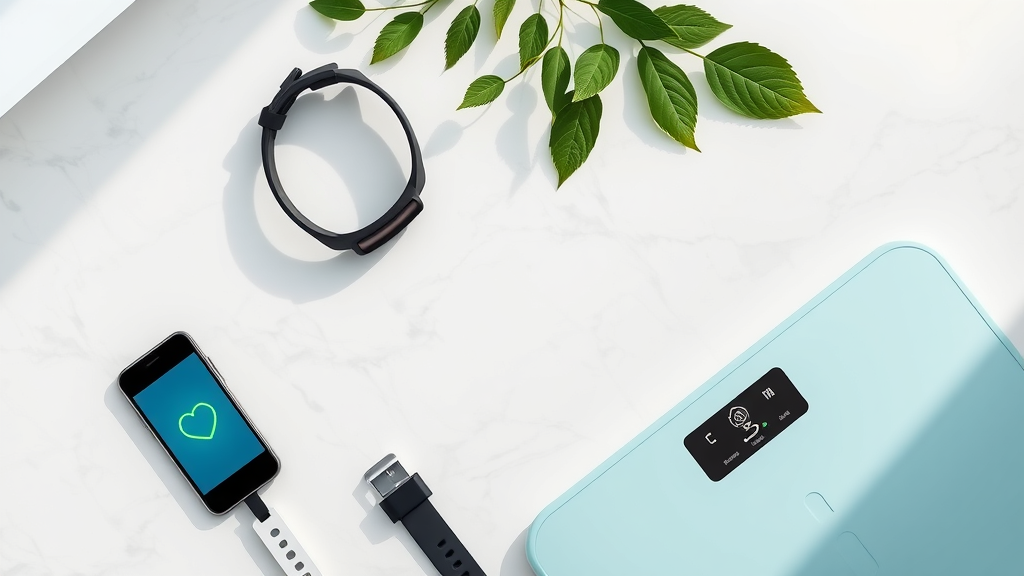
This guide is designed especially for women seeking trustworthy, affordable, and practical solutions. Whether you’re a tech skeptic or a health app enthusiast, you’ll find actionable strategies, inspiring stories, and the tools you need to take the first step with confidence.
The Science Behind Weight Management Technology
What Does Systematic Review Reveal About Weight Loss and Technology?

- Recent systematic reviews show that technology-assisted interventions—especially those using mobile technology for self-monitoring, reminders, and coaching—can significantly improve weight loss success.
- Meta-analyses confirm that women using digital tools alongside traditional support were over 40% more likely to achieve and sustain meaningful reductions in body weight and BMI.
- Evidence highlights that personalized digital support magnifies healthy eating, physical activity, and goal adherence.
Major studies emphasize that technology works best when it helps users regularly monitor behaviors—like calorie intake, physical activity levels, and weight management goals. By offering real-time tracking, reminders, and community, these tools prompt daily engagement and more positive health outcomes for women struggling to lose weight.
Systematic reviews further indicate that combining mobile interventions with primary care supervision often leads to even greater success. When doctors and nurses help tailor tech-based advice and track progress, women are more likely to experience significant and clinically significant weight loss—making digital approaches a vital ally in the fight against obesity and its related risks.
Are Randomized Controlled Trials the Gold Standard for Weight Loss Tech?
- In medical science, a randomized controlled trial (RCT) is considered the gold standard for evaluating new weight management interventions—including tech-based solutions.
- Controlled trials randomly assign participants to receive either the new intervention (like a mobile device-based program) or a comparison (such as usual care or paper-based tracking), then measure outcomes such as changes in body mass index or percentage of weight lost.
- RCTs are valued because they help eliminate bias and clarify whether the intervention itself—not outside factors—drove meaningful improvement in weight loss, healthy eating, or behavior change.
What do the best trials tell us? High-quality RCTs have shown that participants using wearables, apps, or smart scales lost more weight, improved their body mass index, and reported higher satisfaction than those relying on traditional interventions alone. The key, however, is that sample size and study length matter—more comprehensive data yields more reliable findings for women considering which technologies to trust.
| Feature | App-Based Technology | Device-Based Technology |
|---|---|---|
| Real-time Feedback | Yes, via notifications and progress graphs | Yes, often via wearable displays and integrated apps |
| Behavior Tracking | Detailed logs (food, steps, sleep, activity) | Automatic tracking (heart rate, steps, activity, sleep) |
| Integration with Primary Care | High—with secure data sharing and coaching platforms | Moderate—data can upload or sync, but may need manual linking |
| Ease of Use | Beginner-friendly; customizable reminders | Varies; may require app pairing and regular charging |
| Ideal For... | Meal tracking, habit building, remote coaching | Comprehensive physical monitoring, fitness goals |
Weight Management Technology: Real Life Transformations
"Using a wearable tracker motivated me more than anything else ever had." – Testimonial from a beginner
- Meet Priya, who turned to a smart scale and calorie counting app after struggling with obesity treatment for years—she now maintains healthy eating and activity, having lost 16% of her body weight within a year.
- Sophia, a busy mother, credits her wearable device for her ability to monitor body mass, blood pressure, and set daily step targets to keep up with her fitness.
- Allison, a nurse, uses her fitness tracker and smart food log to align behavior change with her doctor’s primary care advice; she’s helping friends and patients find workflow-friendly ways to reach their weight loss goals too.
Each story highlights the power of accessible technology—these women didn’t just lose weight; they transformed daily routines and rebuilt confidence. Progress happens in small steps: connecting a device, joining a digital community, or logging meals for accountability. If you’re new to technology in health care, start simple. Every journey counts.
How Smart Devices Make Weight Management Beginner-Friendly

- Apps and wearables now provide guided onboarding programs with beginner tips, reminders, and motivational feedback to reduce intimidation for first-time users.
- User-friendly dashboards help you track progress visually—charting weight, body mass index, calories burned, and hours slept without any tech expertise required.
- Most leading platforms offer gentle reminders to log meals, move regularly, and stay on target with your health goals, making weight management feel manageable and encouraging.
You don’t need to be a tech wizard or fitness fanatic—the best tools walk you through each step, celebrate progress, and adjust based on your feedback. By focusing on ease of use, smart devices foster healthier habits—even for those feeling overwhelmed or intimidated by the world of digital health.
Primary Care Integration: Bridging Technology and Healthcare

- Increasingly, primary care providers actively recommend and help patients set up tech tools for weight management, ensuring medical support is fully integrated with digital strategies.
- Regular check-ins—via health portals or in-person—give women access not only to data but also professional guidance, boosting motivation and ensuring tools support safe, sustainable health change.
- Weight management technology, when combined with coaching, has shown greater effectiveness in controlled trials—women are more likely to achieve and sustain medically meaningful results when providers are part of the process.
If you’re considering new technology, ask your doctor or nurse about integration with their practice. Many clinics now sync app data with medical records, allowing for holistic care and personalized recommendations tailored to your unique physiology and lifestyle.
Weight Loss Made Accessible: Top Technologies for Every Woman
Wearables, Apps, and Smart Scales for Effective Weight Management
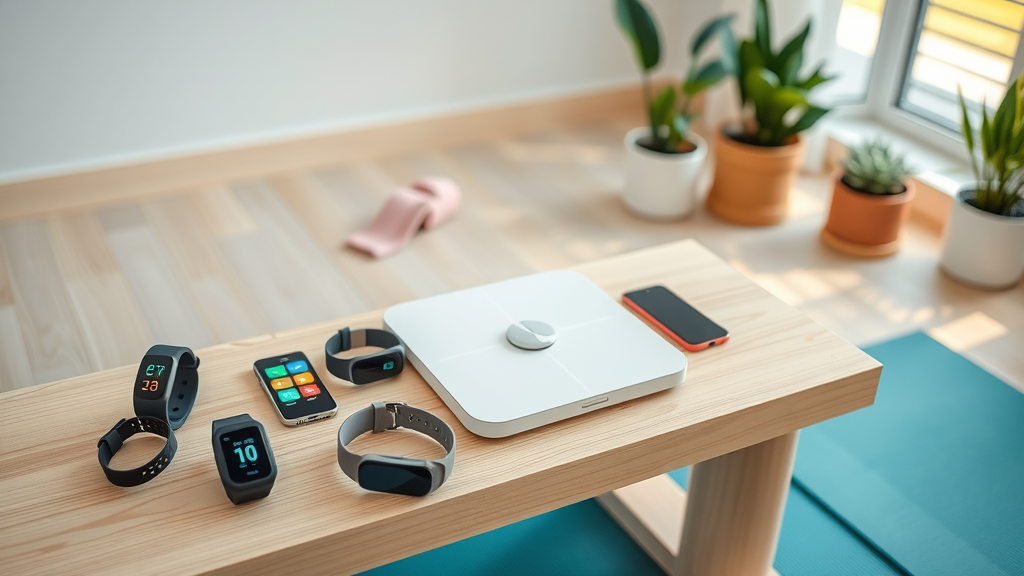
- Popular wearables: FitBit Charge 5, Apple Watch Series, Garmin Venu Sq—track steps, heart rate, physical activity, and offer gentle reminders for movement and hydration.
- Top health apps: MyFitnessPal, Noom, Lose It!—combine food logging, calorie counting, social support, and customized plans based on current body mass or BMI.
- Smart scales: Withings Body+, RENPHO Bluetooth Scale—automatically sync weight, BMI, and body composition data with your smartphone for easy monitoring and trend analysis.
Choose devices that integrate with health care records or provide export features for your next primary care checkup. Many offer free trials or discounts for women starting a new plan—making significant weight loss more affordable and realistic than ever before.
Choosing Technology Based on Sample Size and Study Results

- Larger sample sizes in clinical research mean more reliable results: Devices validated in studies with hundreds or thousands of women are more likely to deliver consistent, effective support.
- Key published studies show digital interventions outperform traditional programs, especially for women who benefit from frequent reminders, behavior change tips, and social support networks.
- Always check for independent reviews and clinical trial backing before committing to a device—look for results that show statistically significant improvements in body mass index, activity levels, or sustained weight loss.
Your health journey is unique, but evidence from high-quality research can guide you towards safe, proven technologies that have helped others succeed. Confidence starts with informed choices!
- See how top apps and devices work in practice: clean interfaces, progress dashboards, and simple sync options for beginners and pros alike.
- Learn which platforms offer customizable plans for diet and physical activity, and how to set realistic goals with digital insights and reminders.
- Discover tips for getting started, troubleshooting common setup problems, and integrating with your primary care team for full-body support.
Common Questions About Weight Management Technology
What is the most successful weight management technique?

- Success comes from a blend of digital tools and time-tested healthy habits like meal planning, regular exercise, and supportive coaching.
- Studies show consistent tracking—whether via an app or a journal—is linked to better adherence and more significant weight loss.
- Ultimately, the “best” technique is one you can sustain; for many women, mobile technology adds crucial flexibility, accountability, and motivation on tough days.
Finding the right method often means experimenting: pair technology with personal preferences and professional advice for the greatest impact.
What is the 3-3-3 rule for weight loss?
- The 3-3-3 rule suggests eating three meals daily, at roughly three-hour intervals, featuring three key food groups (protein, vegetables, complex carbs), promoting portion control and blood sugar stability.
- Weight management technology can help by sending alerts for meal times, offering portion guidance, and tracking energy intake for optimal results.
- Use app-based food logs and reminders to stay consistent, adapt to schedule changes, and ensure balanced nutrition.
With digital tracking, it becomes easier to spot patterns, make healthy swaps, and keep up with meal timing—even on busy days.
What do Japanese use for weight loss?

- In Japan, weight management often emphasizes mindfulness, daily step goals (frequently tracked with mobile devices), and nutritious home cooking with seasonal ingredients.
- Popular tech includes pedometer apps, smart scales, and health-focused meal planners—often with simple, colorful interfaces designed for stress-free daily use.
- Peer support groups and government-backed digital platforms help motivate consistent activity and nutrition, benefiting women of all ages.
Cultural values focus on holistic wellness, balance, and routine—a model pairing beautifully with today’s connected technologies.
What is the best device for losing weight?
- Wearable fitness trackers (Fitbit, Apple Watch) remain favorites for step tracking, heart rate, and goal reminders.
- Smart scales (Withings, Eufy, RENPHO) are excellent for automated body mass and composition tracking, syncing data across devices and apps.
- For women who enjoy gamification or need accountability, apps offering social support or virtual coaching (Noom, MyFitnessPal) often drive better outcomes.
Focus on comfort, accuracy, and easy data sharing when picking your device—the best one is the tool you’ll use daily!
How to Choose the Right Weight Management Technology for You
- Reflect on your goals: Are you seeking general fitness, weight loss, better sleep, or specific health metrics? Clarifying your needs will narrow your options.
- Research credibility: Look for devices supported by credible clinical studies, large sample sizes, and independent reviews. Check for evidence of effectiveness in women’s weight management.
- Test in a health setting: Ask your primary care provider if you can demo a device, or request recommendations based on your body mass index and health history.
- Start simple: Choose beginner-friendly apps or single-function devices before adding complexity. Focus on tools that integrate with your smartphone or daily routine.
- Track and adjust: Monitor progress weekly and adjust your tools if they aren’t meeting your evolving needs. Don’t be afraid to try new features or swap apps as you learn more about your preferences.
Red Flags and Common Mistakes When Starting With Weight Management Technology
- Jumping in without a clear goal or health care provider’s input can cause frustration or misaligned expectations.
- Overcomplicating your setup—too many devices, duplicate trackers, or multiple apps can overwhelm instead of inspire.
- Neglecting to check privacy settings or app credibility could lead to data misuse or misinformation.
- Expecting instant results—weight management is a journey. Celebrate small wins!

Choose with care—technology should support, not overshadow, healthy meal planning, regular physical activity, and personal well-being checks.
Lists: Features to Look for in Weight Management Technology
- Easy data tracking: Automatic logging of steps, food, and weight without multiple manual entries.
- Integration with primary care: Options to share reports or sync data with your doctor or nutritionist.
- Accessibility and affordability: Free or low-cost options, support for all ages and physical abilities.
- Evidence-based features: Backing from controlled trial research, systematic review, or trusted public health authorities.
Prioritize platforms that promise regular updates, clear privacy policies, and user-friendly support for women at any stage of their wellness journey.
FAQs About Weight Management Technology
-
Is weight management technology suitable for all ages?
Yes! Many tools offer accessibility features for older adults and simple, gamified interfaces for younger users. Always choose based on your comfort with digital tools and consult with a provider if you have unique health needs. -
How often should results be tracked?
For lifelong behavior change, weekly weight and daily activity tracking are recommended, but adjust frequency as suits your routine. Most devices offer customizable reminders and progress dashboards to help you stay accountable. -
Can you use multiple devices together?
Absolutely! Many apps now sync with smart scales and wearables so you get a fuller health picture—just be sure they’re compatible and not tracking the same data twice. -
What role does support play in technology-driven weight management?
Support—whether from digital communities, friends, or a primary care team—dramatically increases user motivation, confidence, and success rates. Consider coaching and social features when choosing your platform.
Key Takeaways: Embracing Weight Management Technology for a Healthier You
- Technology empowers women to achieve weight management at every stage—making healthy change more accessible and sustainable.
- Evidence shows digital tools drive better weight loss outcomes, especially with primary care support and regular tracking.
- Start small: focus on daily habits, credible devices, and use professional advice for the greatest chance of success.
The Future of Weight Management Technology: What’s Next?
- Emerging tech: Wearables now measure stress, blood pressure, and even hydration, while AI-based meal planners adapt to your needs.
- Research continues: Larger sample sizes and longer randomized controlled trial studies are tracking real-life benefits for women worldwide.
- Integration with public health initiatives promises more personalized, preventative care for everyone at risk of obesity or chronic disease.
The field keeps evolving—stay tuned for innovation!
Making the First Step: How to Begin Your Weight Management Technology Journey

- Pick one beginner-friendly app or device—focus on consistent use, not perfection.
- Set small goals for daily activity, healthy eating, or sleep—and let tech be your gentle guide and cheerleader.
- Share your journey with a friend, or ask for tips at your next primary care visit for extra confidence and support.
Ready to explore? The journey to sustainable weight management and public health starts with a single tap or step—technology is here to help every woman succeed, every day.
Visit our website at ThisPageOnHealth.com to learn more
For deeper guides, expert reviews, and step-by-step tutorials, visit our website at ThisPageOnHealth.com and unlock your healthiest self with confidence!
Sources
- https://www.cdc.gov/obesity/data/adult.html
- https://pubmed.ncbi.nlm.nih.gov/31318300/
- https://jamanetwork.com/journals/jamanetworkopen/fullarticle/2775009
- https://www.ncbi.nlm.nih.gov/pmc/articles/PMC7400524/
- https://www.health.harvard.edu/blog/can-wearables-help-you-lose-weight-2021021221923
In exploring the transformative impact of weight management technology, several authoritative resources offer valuable insights:
-
The FDA’s comprehensive overview, titled “Weight-Loss and Weight-Management Devices,” details various FDA-regulated devices designed to assist individuals in achieving and maintaining a healthy weight.
-
The article “Tech can’t replace human coaches in obesity treatment” from ScienceDaily discusses a study highlighting that while technology plays a significant role in weight management, the inclusion of human coaching enhances the effectiveness of obesity treatments.
If you’re serious about leveraging technology for weight management, these resources provide essential information on available devices and the importance of combining technological tools with human support for optimal results.




Write A Comment