


Did you know that up to 70% of chronic health issues in women can be impacted through integrative dietary and lifestyle changes? Holistic nutrition isn’t just about food—it’s about transforming your entire well-being, empowering women to reclaim health, energy, and mental clarity every single day.
Startling Facts: Why Holistic Nutrition Matters for Women’s Health
Holistic nutrition provides a profound way for women to take control of their health, using food and lifestyle as powerful tools for healing and balance. Statistics show a direct link between daily choices and long-term health outcomes—especially for women facing stress, hormonal changes, or chronic health problems. Unlike quick fixes or fad diets, holistic nutrition addresses the root causes of imbalance and nourishes both body and mind. The Institute for Functional Medicine states, "Up to 70% of chronic health issues in women can be impacted through integrative dietary and lifestyle changes." Ultimately, this approach goes beyond calorie counting, guiding you toward a sustainable and vibrant life.
For women struggling with low energy, mood swings, or unclear health goals, holistic nutrition can offer a new direction. By focusing on whole foods, personalized meal plans, and adaptable lifestyle habits, you can support optimal health, hormone balance, and even improved mental health. This beginner-friendly framework empowers you to recognize the connections between what you eat, how you feel, and the progress you make toward your well-being. With rising interest in careers in holistic nutrition and holistic health coaching, more women are discovering customizable paths forward.

"Up to 70% of chronic health issues in women can be impacted through integrative dietary and lifestyle changes." — Institute for Functional Medicine
What You’ll Learn About Holistic Nutrition
- The core principles of holistic nutrition
- How holistic nutrition supports mental and physical wellness
- Career paths in holistic nutrition
- Beginner-friendly holistic meal planning tips
- How to choose a holistic nutrition program
Defining Holistic Nutrition: Principles and Foundations
At the heart of holistic nutrition is a commitment to whole-person health. Rather than isolating symptoms or simply recommending generic diet plans, holistic nutritionists evaluate the full scope of your diet, environment, stress levels, sleep habits, and even mindset. This approach understands that body and mind are deeply connected—and that nutrition is a foundation for healing, restoration, and resilience. Whether embarking on a new career path as a holistic nutrition professional or simply trying to lead a healthier life, beginning with these transformative principles can be a game changer.
For women longing for lasting health changes, holistic nutrition offers far more than traditional meal planning. The emphasis on real, unprocessed food, mindful eating, restorative movement, and stress management enables women of all ages to fuel their bodies while promoting mental health and emotional balance. By learning the building blocks of holistic eating, you’re taking a smart, proactive step toward improved well-being—not just today, but for years to come.
What Does Holistic Nutrition Mean?
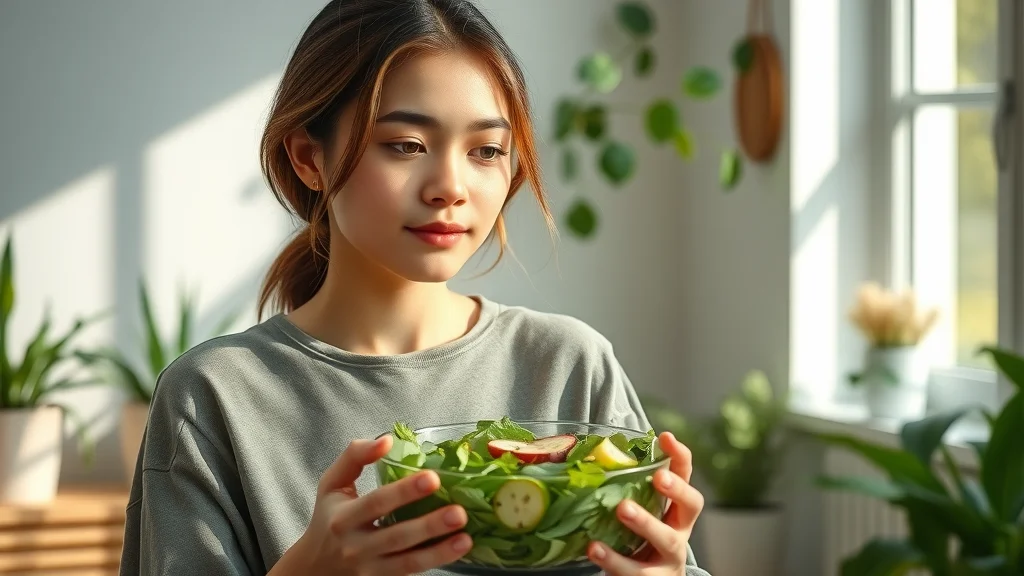
Holistic nutrition means considering every part of your life when making diet and lifestyle choices. Instead of focusing solely on the nutrients in your food or calorie intake, holistic nutritionists help you look at how your emotions, stress, relationships, and movement patterns connect to well-being. It’s an approach to nutrition that looks at you as a complete person—physically, mentally, and emotionally. This means understanding how certain foods impact your mood, why regular physical activity boosts energy, and how sleep and stress affect your ability to thrive.
By embracing holistic nutrition principles, women can support their bodies in healing and maintain balance during life's changes. For example, adding more fruits and vegetables, establishing a calming morning routine, or practicing mindful eating can all make a tangible difference. These gentle, personalized strategies can lay the groundwork for reaching your health goals—whether that’s boosting energy, supporting hormone health, or achieving stable moods. Holistic nutrition is not one-size-fits-all; it adapts with your needs and lifestyle.
How Holistic Nutrition Differs from Conventional Nutrition
Unlike conventional nutrition, which often relies on broad guidelines and calorie-focused plans, holistic nutrition is built around personalization and integration. Traditional dietitians may focus on meeting daily nutrient requirements or addressing diseases in a clinical setting, but holistic nutritionists treat food as one piece of the wellness puzzle. They might incorporate emotional health, stress management tools, and even mindfulness techniques into personalized nutrition plans.
The biggest difference is the commitment to long-term lifestyle change rather than short-term fixes. Holistic nutrition tells you that there’s no quick solution—true health takes ongoing effort, experimentation, and self-care. This means fewer processed foods, more connection to natural ingredients, and prioritizing mental health in the daily routine. For women just starting their journey, the beginner-friendly path of holistic nutrition is supportive, sustainable, and deeply rewarding.
As you explore the differences between holistic and conventional nutrition, you might find it helpful to dive deeper into the practical steps for integrating these principles into your daily life. For actionable strategies and a closer look at how to create a sustainable wellness routine, check out our guide on building holistic nutrition habits for everyday health.
Core Components of Holistic Nutrition
Holistic nutrition involves several key components beyond simply the food on your plate. Physical nourishment remains a priority, but emotional and mental health, movement, and lifestyle habits are woven into the fabric of holistic health. Nutrition professionals recognize the necessity of combining physical, emotional, and lifestyle strategies to reach true wellness, giving women a toolkit to improve all areas of their lives.
For women new to holistic living, remembering these core ideas is helpful: each meal offers a chance to nourish not just your body, but your mind and spirit. Even small changes—like trading processed food for wholesome options or making time for gentle yoga—help build a foundation for optimal health. Ultimately, this well-rounded approach empowers women to trust their bodies, honor their unique needs, and feel confident on their career path or personal wellness journey.
Holistic Health: Beyond Food
- Physical nourishment: Prioritizing whole foods, colorful fruits and vegetables, and balanced meals over processed foods.
- Emotional health and mental health: Managing stress, building strong relationships, and practicing self-care as part of daily wellness.
- Lifestyle factors: Ensuring adequate sleep, regular movement, rest, and paying attention to your body’s cues.
Embedding these lifestyle habits sets the stage for consistent progress, helping you feel your best as you reach for your health goals. Whether you're navigating hormonal shifts, new family dynamics, or career transitions in health coaching or nutrition, holistic nutrition provides an adaptable, meaningful framework.

The Role of the Holistic Nutritionist
A holistic nutritionist is a nutrition professional who blends food science with lifestyle counseling, mindfulness, and even physical activity advice. These experts often work in private practice, wellness centers, or as part of a larger health and wellness team, supporting clients to align nutrition with real-life challenges. Rather than handing out a generic diet, a holistic nutritionist prepares personalized action plans based on your current health, emotional landscape, and unique goals.
For those considering a career in holistic nutrition, it’s a meaningful way to empower women and communities. Holistic nutritionists focus on helping clients shift from feeling powerless to feeling confident about their food choices and overall lifestyle. Their work experience goes far beyond meal plans—they listen, coach, inspire, and offer insight into both nutrition and personal transformation. In many ways, holistic nutrition professionals act as health partners for lifelong wellness.
Mental Health and Holistic Nutrition: The Essential Connection
Mental health and holistic nutrition are inseparable. Research confirms what many women know instinctively: food profoundly affects mood, focus, and emotional stability. Strong connections exist between what we eat, how our bodies function, and how we feel day to day. For women facing anxiety, low mood, or stress, integrating mindful nutrition habits is a foundational—and often overlooked—step toward healing.
By avoiding excessive processed foods, sugar highs, and nutrient gaps, holistic nutritionists help clients create balanced plans that support mood, memory, and stress resilience. Nutrient-rich foods such as leafy greens, fatty fish, nuts, and seeds can enhance brain chemistry, promoting clarity and calm. "Good nutrition is the foundation of mental health. What you feed your body nurtures your mind." With beginner guidance, any woman can create a nutrition program that uplifts both body and mind.

How Food Choices Influence Your Mood
The link between nutrition and mental health goes deeper than “eating healthy food.” Women who prioritize balanced meals—rich in omega-3 fats, complex carbs, and antioxidants—often report fewer mood swings and more emotional stability. Whole grains, colorful vegetables, and quality protein fuel the brain, steady blood sugar, and nurture hormone balance, which is especially important for women during times of change. The absence of nutrient-dense foods, or an over-reliance on processed food, can worsen low mood, irritability, or anxiety.
Building a habit of mindful eating, with attention to how meals make you feel, is key for holistic wellness. Taking a few moments to notice flavors, satisfaction, and emotional signals allows busy women to spot which foods truly energize or drain them. Mental health is also supported by hydration, regular snacks, and reducing stimulants—proving that even small shifts can create big improvements in well-being.
"Good nutrition is the foundation of mental health. What you feed your body nurtures your mind." — Anonymous Nutrition Professional
Supporting Emotional Wellness with Holistic Nutrition
Supporting emotional wellness through holistic nutrition involves more than meal plans. The process emphasizes self-kindness, learning new responses to stress, and building trust with your own intuition. For beginners, this can mean starting with daily self-care rituals—like enjoying a peaceful breakfast, journaling, or practicing gratitude as part of eating. Working with a holistic nutritionist or health coach offers accountability and creative strategies as you discover new patterns that work.
Many women notice improved mental health and resilience once they integrate foods that naturally support neurotransmitters (such as leafy greens, berries, seeds, and nuts). Equally, reducing highly processed foods and artificial sweeteners can decrease mood fluctuations and anxious feelings. Remember: emotional wellness thrives on consistency and support, not perfection. Holistic nutrition can guide you there, step by step.
A Day in the Life: What Does a Holistic Nutritionist Eat?
Curious how a holistic nutrition professional nourishes herself? From breakfast rituals to evening meals, every choice is guided by the principles of variety, balance, and mindfulness. While each day looks different, certain themes—like whole, minimally processed foods, and attention to energy levels—are consistent. Here’s how a typical day unfolds for a holistic nutritionist or anyone building holistic habits:
Morning starts with hydrating drinks and a nutrient-packed breakfast to set a calm, energized tone. Lunches feature lean proteins, whole grains, and fresh veggies for steady energy. Dinners round out the day with healing, restorative plates that encourage better sleep. Mindful eating and non-food practices—like movement, reflection, and gratitude—support not just the body, but overall well-being.
Morning Rituals: Nourishing Breakfasts
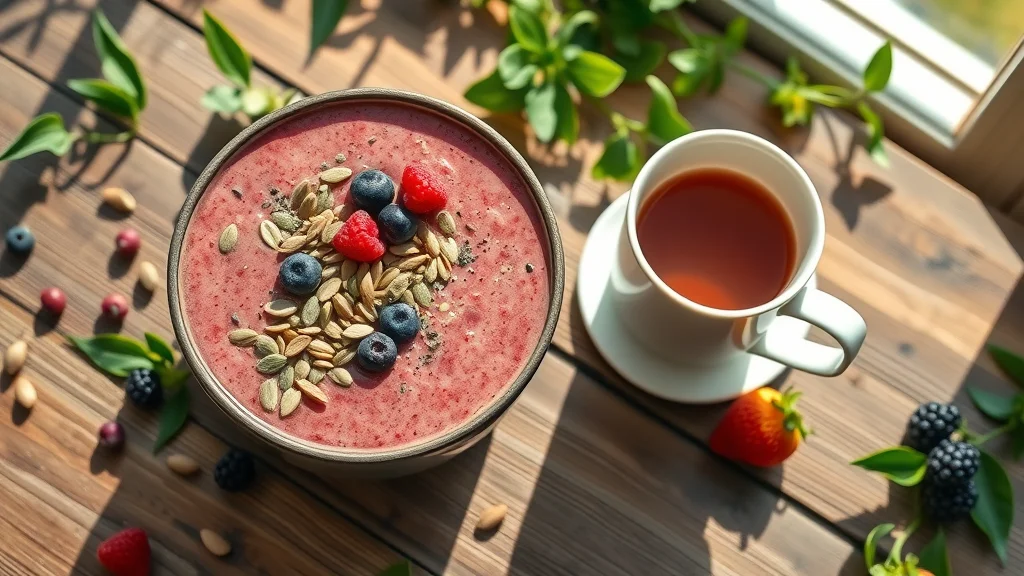
A balanced breakfast is the secret weapon for sustained energy, mood, and metabolism. Experienced nutritionists favor meals that combine healthy fats, natural fiber, and plant-based protein—like overnight oats, chia puddings, or smoothie bowls packed with berries, seeds, and creamy nut butter. This not only feels indulgent but helps avoid mid-morning sugar crashes or irritability often triggered by empty-carb breakfasts.
This is a great moment to integrate mindfulness: enjoying each bite in a peaceful setting, with gratitude or a short breathing exercise, can set your intention for the day. Simple prep, like making a batch of breakfast muffins or grabbing a veggie frittata, makes it easy for busy women to stay on course. Experiment with color, texture, and flavors—the more variety, the better for your mind and your mood!
Balanced Lunches for Sustained Energy
A midday meal in the world of holistic nutrition is meant to fuel the second half of your day—not leave you sluggish or foggy. Nutrition professionals opt for colorful salads with mixed greens, beans, and healthy fats (like avocado or olive oil), or grain bowls with salmon, roasted vegetables, and quinoa. The aim is to create a satisfying, nutrient-dense plate that won’t spike blood sugar or cause a crash.
Planning ahead is a key strategy. Meal-prep for beginners might include overnight lentil salads, layered Mason jar meals, or wraps filled with hummus and crisp veggies. These dishes can be made on a budget and customized to taste preferences and health goals, making them accessible to all women—no culinary degree required.
Wholesome Dinners to Promote Healing
Dinner is when your body recovers, digests, and prepares for restorative sleep. Holistic nutritionists often rotate plant-forward dishes such as roasted root veggies, stir-fries with leafy greens and tofu, or grilled protein paired with gut-friendly grains (like brown rice or quinoa). Spices and fresh herbs add flavor and bring extra antioxidants to the table.
Success isn’t in stringent rules, but in finding comfort and nourishment in what you eat. Lighting candles, sitting down with family, and expressing gratitude are valuable non-food practices that encourage mindful eating and calm digestion. If you’re just starting out, a beginner-friendly meal plan might include baked salmon with roasted vegetables, a colorful salad, and a small serving of berries with dark chocolate for dessert.
- Sample meal plan for beginners: Oatmeal with nuts and berries (breakfast), quinoa salad with chickpeas and greens (lunch), baked chicken or tofu with steamed broccoli and brown rice (dinner).
- Tips for mindful eating: Eat slowly, savor flavor, and tune in to hunger cues.
- Non-food practices for holistic health: Daily stretching, gratitude journaling, and morning walks.
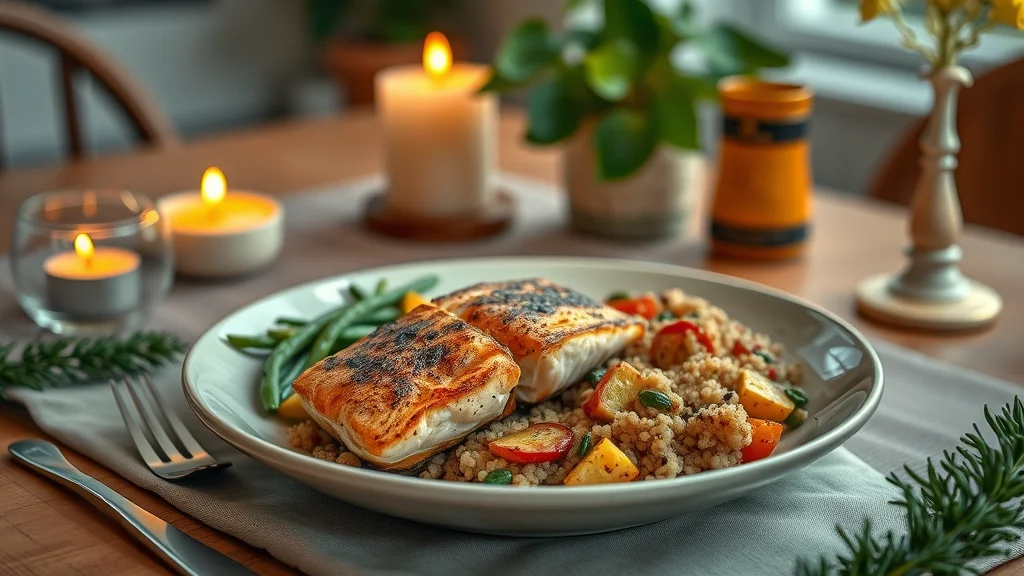
Table: Side-by-Side Comparison — Holistic Nutritionist vs. Registered Dietitian
| Criteria | Holistic Nutritionist | Registered Dietitian |
|---|---|---|
| Education | Certificate or degree program | Accredited university degree |
| Philosophy | Whole-person, integrative | Science-based clinical |
| Common Settings | Private practice, wellness centers | Hospitals, clinics, schools |
Beginner-Friendly Steps to Start a Holistic Nutrition Journey
Embarking on a holistic nutrition journey doesn’t require an advanced degree—just a little curiosity and willingness to make gradual changes. For women seeking to improve their health and wellness, taking stock of current habits, adopting easy food swaps, and nurturing holistic daily rituals is key. Here’s how to get started, with guidance from nutrition professionals:
Being gentle with yourself and focusing on progress, not perfection, sets the scene for a successful transition. Remember, the ultimate goal is a healthier, happier you—not a perfect diet or lifestyle.
Assessing Your Current Health and Diet
The journey starts with self-reflection. Spend a few days journaling what you eat, how you feel afterwards, and noting any patterns. Do you notice energy dips, digestion issues, or cravings? This process is essential for establishing a clear baseline—and can help you set realistic health goals with your holistic nutritionist or health coach. Consider logging emotional triggers or stressors that affect eating habits. You don’t need fancy tools; a simple notebook does the job.
Rate your sleep, hydration, and activity levels each day. Are there gaps or imbalances that could use attention? This beginner-friendly assessment is not about judgment—it’s about understanding where you are so you can make thoughtful, empowering changes.

Easy Holistic Swaps for Daily Meals
Making the shift to holistic nutrition doesn’t mean overhauling your pantry overnight. Start by swapping highly processed foods for whole, natural options. Use olive oil in place of butter, trade white bread for sprouted grain, or choose fruit over candy for snacks. Explore budget-friendly recipes with beans, greens, and ancient grains to keep variety high and costs low.
Creativity matters. Women new to holistic nutrition can have fun with homemade veggie wraps, colorful stir-fries, or nutty salads—not only do these support physical nourishment, they’re quick, delicious, and pack well for work or school. Mindful eating techniques, like pausing between bites and tuning in to flavor, can maximize satisfaction and minimize overeating. Gradual swaps build confidence and make the journey enjoyable.
- Simple ingredient substitutions: Quinoa for rice, Greek yogurt for sour cream, sparkling water with fruit for soda.
- Creative, budget-friendly recipes: Lentil soup, chickpea salad, veggie omelets.
- Mindful eating techniques: Eliminate distractions, chew thoroughly, express thanks for your meal.
Incorporating Holistic Health Habits
Good nutrition is only one piece of holistic health. Incorporate daily rituals like gentle stretching, journaling, or evening tea to support mental health and relaxation. Prioritize sleep—aim for a consistent bedtime and minimize blue light in your bedroom. Consider incorporating breathwork, gratitude practices, or short walks in nature.
These non-food habits complement your dietary choices, helping you adapt to stress, support emotional balance, and sustain healthy routines during busy seasons of life and work. For women navigating career shifts, family changes, or simply wanting more vibrancy, small shifts compound to make a big difference.
Holistic Nutritionist: Training, Programs, and Career Path
Exploring a career in holistic nutrition is a rewarding way to uplift others while deepening your own wellness. Options abound—from short certification courses to comprehensive degree programs in integrative nutrition. Many nutritionists work in private practice, group coaching, or community outreach, while some combine roles as a health coach or wellness educator.
The Bureau of Labor Statistics reports growing demand for knowledgeable nutrition professionals, particularly those with holistic or integrative backgrounds. As women’s health concerns diversify and interest in preventive care rises, so do opportunities for women at every experience level.
Holistic Nutrition Degree Program Options
Degree programs in holistic nutrition range from online certificates to bachelor’s and master’s degrees. When choosing your educational path, look for programs that offer a strong curriculum in whole-foods nutrition, counseling techniques, and the science of holistic health. Many universities and dedicated institutes now offer flexible, accredited options that match different learning styles.
For new students, it’s important to align coursework with personal interests—some programs focus more on culinary skills, while others emphasize lifestyle change or coaching. Internships, community projects, and research can further prepare you for holistic nutritionist careers. Always verify program credibility and outcomes before enrolling.

How Much Does It Cost to Become a Holistic Nutritionist?
Program costs for aspiring holistic nutritionists vary widely. Online certificates may start around $1,500–$5,000, while full degree programs at accredited universities can range from $20,000 to $50,000 or more. Additional expenses may include textbooks, exams, licensure, or internship fees. Financial aid or payment plans may be available, particularly for popular nutrition programs.
Carefully research your options and be clear about what’s included in the total tuition. If you’re looking for a shorter route, workshops or bootcamps can provide solid foundational training. However, for a legitimate career path, an accredited holistic nutrition degree program increases your credentials and career mobility.
Career Path: Becoming a Holistic Nutrition Professional
Once you complete your education, your career in holistic nutrition can be as unique as you are. Possibilities include private consulting, health coaching, community workshops, corporate wellness programs, or working alongside other nutrition professionals in clinics. Many holistic nutritionists also leverage social media to reach, inspire, and educate women seeking guidance.
You can build a flexible, fulfilling career that fits your schedule and values. Continual learning through conferences, mentorships, and collaboration with other nutritionists work to keep your skills sharp and your advice current. For many, the greatest satisfaction comes from seeing clients or communities achieve long-term health and wellness goals.
What is the Difference Between a Holistic Nutritionist and a Regular Nutritionist?
While both professionals support better eating habits, a holistic nutritionist uses an integrative, whole-person approach, focusing on emotional and lifestyle factors alongside food. A regular nutritionist or registered dietitian typically works in clinical or institutional settings and follows science-based, disease-specific methods.
Holistic nutritionists spend more time on lifestyle counseling, helping clients build routines that address body, mind, and spirit—not just what appears on the plate. For women interested in total well-being, this difference may be the deciding factor in choosing the best support.

Choosing the Right Holistic Nutrition Program
Picking a holistic nutrition program sets the tone for both personal transformation and future career success. Start by defining your priorities: are you hoping for a flexible, online curriculum or traditional classroom learning? Do you need an accredited degree to change careers, or is a certificate program enough for education or personal growth? Consider the reputation, faculty support, and alumni outcomes of each school.
Take time to research and connect with graduates if possible. Accreditation ensures credibility, and a strong curriculum should cover whole-food nutrition, counseling, and relevant science. Hands-on opportunities—like workshops or supervised coaching—are invaluable for beginner nutrition professionals.
Key Considerations: Accreditation, Curriculum & Outcomes
Always verify a program’s accreditation status and check if the credential is recognized in your state or country. Dive into course descriptions: look for modules on counseling, anatomy, holistic health, meal planning, and business skills for nutrition professionals. Ask about career support, internship placements, and alumni satisfaction rates.
Clear outcomes—such as licensure eligibility, national board exam prep, or recognized certifications—are essential if you want to use your training to advance a career in holistic nutrition. Making an informed choice at the outset can save time, money, and set you on the fastest path to confidence and meaningful work.

Online Nutrition Programs vs. In-Person Learning
Online nutrition programs offer unmatched convenience—study at your pace, on your schedule. This flexibility is perfect for women juggling family, work, and upskilling. Interactive forums, video lessons, and digital resources make quality education available anywhere. On the other hand, in-person degrees may offer deeper engagement, hands-on workshops, and in-person networking with faculty or peers.
Ultimately, the best choice depends on learning style and personal commitments. Busy professionals often thrive in online settings, while others prefer the structure and community of in-person classes. Exploring hybrid options can deliver the best of both worlds for those seeking a well-rounded experience.
- Convenience vs. engagement
- Networking opportunities
- Learning style compatibility
Holistic Nutrition in Practice: Sample Meal Plans and Simple Recipes
- Balanced breakfast ideas: Overnight oats with chia seeds and walnuts; spinach and mushroom omelet; fruit and Greek yogurt parfait.
- Quick wholesome lunches: Roasted veggie wrap; chickpea bowl with greens; salmon salad.
- Gut-friendly dinners: Grilled chicken or tofu with quinoa and steamed broccoli; lentil and sweet potato stew; rice noodles with edamame and veggies.
- Snack swaps for sustained energy: Hummus with carrot sticks; trail mix; apple slices with almond butter.
These meal ideas are easy to prepare and beginner-friendly—perfect for women easing into holistic nutrition or supporting family wellness. Don’t hesitate to experiment and tweak portions, flavors, and timing to fit your needs.
The Role of Holistic Nutrition Professionals in Public Wellness
Holistic nutrition professionals are becoming vital community leaders, especially as more women seek empowerment through better health. Beyond private consultations, many nutritionists work in schools, non-profits, or as health coaches, spreading knowledge through workshops, social media, and written resources. Their impact multiplies each time they inspire another woman to take charge of her health journey.
Advocacy for food access, community gardens, and wellness education makes a significant difference in local health outcomes. Some professionals also collaborate with registered dietitians or public health organizations to bridge gaps in care. Their holistic approach can help address systemic issues and promote equity in women’s health.
Community Impact and Advocacy
From teaching cooking classes to organizing support groups, holistic nutritionists work tirelessly to improve community well-being. They create resources for nutrition program accessibility, participate in health fairs, and advocate for policy changes that support healthy neighborhoods. Their on-the-ground experience and passion for education make them valuable assets in any wellness initiative.
If you’re inspired to start a career in holistic nutrition, consider volunteering with local health organizations or running a social media account to raise awareness. Every effort helps amplify the message that holistic health is attainable, inclusive, and life-changing.

Social Media’s Impact on Holistic Nutrition Awareness
Social media has revolutionized how women access holistic nutrition advice and support. Instagram, TikTok, and YouTube are full of real-life success stories, beginner tips, simple recipes, and myth-busting nutrition professionals. Following credible practitioners gives women instant access to trustworthy resources—to ask questions, find encouragement, or try new approaches in a safe environment.
It’s crucial to vet sources carefully—look for certified nutrition professionals, peer-reviewed content, or programs linked with established organizations. Social media also brings awareness to new research, spotlights female wellness leaders, and helps break down barriers to entry for holistic health education, career advancement, and community outreach.
Watch an interview with a certified holistic nutritionist as she shares client testimonials, key strategies for women’s health, and practical advice filmed in real home kitchens and modern offices. Get inspired by the progress and joy of women just like you!
Discover simple nutrition tips you can apply today—even with a packed schedule. Learn how to prioritize meals, prep in advance, and stay motivated on your wellness path.
People Also Ask
What does holistic nutrition mean?
Holistic nutrition means focusing on the whole person—body, mind, and spirit—when making diet and lifestyle choices. This approach combines healthy eating, emotional health, lifestyle habits, and physical activity to help you achieve lasting well-being. Unlike traditional diet advice, holistic nutrition looks at your food choices, daily routines, relationships, and mindset, giving you a supportive path to feeling your best.
What does a holistic nutritionist eat in a day?
A holistic nutritionist starts their day with a nourishing breakfast, like a smoothie bowl with seeds and berries. Lunch and dinner are usually colorful, balanced, and focused on whole, minimally processed foods—think quinoa bowls, fresh veggies, healthy fats, and lean or plant-based protein. Snacks are often fruit, nuts, or hummus with veggies, and non-food practices—like gratitude, tasty herbal tea, and mindful eating—are always included.
How much does it cost to become a holistic nutritionist?
The cost to become a holistic nutritionist varies by program and format. Short online certificate courses may cost $1,500–$5,000, while multi-year degree programs from accredited schools can range from $20,000 to $50,000. Always check for financial aid, scholarships, or payment plans to make education more affordable.
What is the difference between a holistic nutritionist and a regular nutritionist?
A holistic nutritionist uses a whole-person, integrative approach, focusing not only on food but also on lifestyle habits, stress, relationships, and emotional wellness. Regular nutritionists or registered dietitians typically provide science-based nutrition advice in clinical or medical settings, often following stricter protocols focused on specific diseases.
FAQs: Common Beginner Questions in Holistic Nutrition
- Can holistic nutrition help with hormone balance? Yes. Focusing on whole foods, stress reduction, better sleep, and reducing processed foods can support hormone balance, especially for women.
- Are supplements necessary in holistic nutrition? Not always. Many people meet their needs with natural foods, but some women benefit from targeted supplements recommended by a nutrition professional.
- How long does it take to see benefits from a holistic nutrition approach? Many women feel better in a few weeks—more energy, clearer thinking, less bloating. Deeper results may take months as your body adjusts and habits become routines.
Key Takeaways for Starting Your Holistic Nutrition Journey
- Holistic nutrition supports physical and mental health for women, even beginners.
- Personalized advice and small daily changes are key.
- Accreditation matters—choose credible holistic nutrition programs.
Explore More: Visit Our Website for Health and Wellness Tips
Ready to embark on your holistic nutrition journey? Visit our website for more health and wellness tips: ThisPageOnHealth.com
If you’re eager to expand your understanding of holistic wellness beyond nutrition, there’s a wealth of knowledge waiting for you. Our main site offers a comprehensive collection of resources on women’s health, integrative approaches, and the latest in wellness trends. Whether you’re looking to deepen your expertise, discover advanced strategies, or simply stay inspired on your journey, explore the full spectrum of holistic health insights available to you. Take the next step and unlock new possibilities for your well-being and personal growth.
Sources
- https://www.ifm.org/news-insights-up-to-70-percent-of-chronic-disease-impact-nutrition/
- https://www.nutritioned.org/holistic-nutritionist/
- https://www.bls.gov/ooh/healthcare/dietitians-and-nutritionists.htm
- https://www.americanholistichealth.org/
To deepen your understanding of holistic nutrition and its impact on overall well-being, consider exploring the following resources:
-
The American College of Healthcare Sciences offers accredited online programs in holistic nutrition, providing evidence-based education to equip individuals for meaningful careers in the field. (achs.edu)
-
The Institute of Holistic Nutrition provides a comprehensive Diploma in Applied Holistic Nutrition, blending traditional healing systems with modern scientific insights to prepare students as Certified Nutritional Practitioners. (instituteofholisticnutrition.com)
These resources offer valuable insights and educational opportunities for those interested in pursuing holistic nutrition.




Write A Comment