


Did you know that nearly 75% of women in the United States have tried a dietary supplement or nutraceutical product—but do they really know what's inside or how it works? As nutraceuticals rapidly gain popularity, more women are turning to these products to bridge the gap between food and medicine, support wellness goals, and tackle health challenges head-on. But with so many choices and claims, understanding nutraceuticals is the first step toward making empowered decisions for your body and long-term wellness. Let’s explore how nutraceuticals could be the key to your brighter, healthier future.
"Nearly 75% of women in the United States have tried a dietary supplement or nutraceutical product—but do they really know what's inside or how it works?"
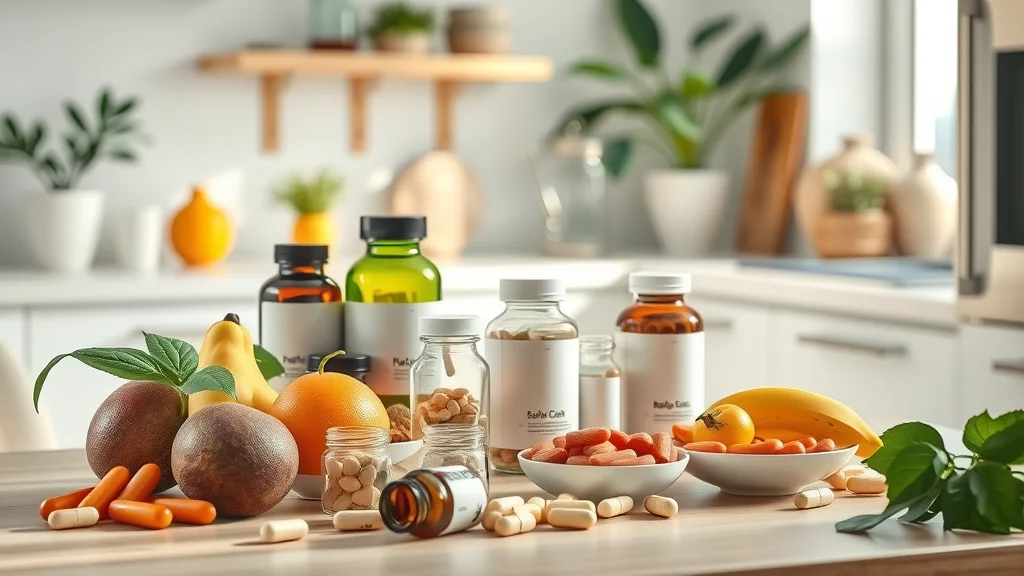
Unveiling Nutraceuticals: Surprising Facts Shaping the Health Revolution
Nutraceuticals have exploded onto the health scene, but there’s still much confusion about their true benefits and safety. Women across the United States are increasingly drawn to nutraceuticals—from fortified juices and herbal products to dietary supplements packed with essential fatty acids or amino acids. But what sets nutraceutical products apart from traditional multivitamins or the foods we eat every day?
In recent years, a growing body of clinical trials and research has highlighted the role of nutraceuticals in the prevention and treatment of chronic disease, particularly those affecting women like osteoporosis, heart disease, and hormonal imbalances. While nutraceuticals offer exciting potential, navigating the vast variety of products—each with its own health claim, formulation, and bioactive compound—can be overwhelming if you’re just beginning your wellness journey. This article breaks it down simply: what nutraceuticals are, how they differ from dietary supplements and functional foods, how to choose safe and effective options, and what you need to know to become your healthiest self.
As you explore the distinctions between dietary supplements and functional foods, it’s helpful to understand how these categories overlap and diverge in practical use. For a deeper dive into the science and selection of dietary supplements, you might find our guide on choosing the right dietary supplements for your health goals especially useful.

What You'll Learn About Nutraceuticals
- Understanding the core benefits of nutraceuticals
- The difference between dietary supplements and functional foods
- How nutraceutical products support women's health
- Are nutraceuticals safe, and what are their regulations?
- How to choose nutraceuticals for prevention and treatment
Defining Nutraceuticals: From Functional Foods to Dietary Supplements

Nutraceuticals Explained: Key Concepts and Categories
- Overview of nutraceuticals
- Functional food vs dietary supplement
- Common nutraceutical products and their components
- Role of fatty acids and other bioactive compounds
Nutraceuticals is a term that covers a broad category of products derived from food sources with extra health benefits—benefits that go beyond basic nutrition. The term combines “nutrition” and “pharmaceutical,” reflecting their role as a hybrid between food and medicine. Nutraceuticals include everything from dietary supplements (like vitamin D capsules) to functional foods (like probiotic yogurt or fortified orange juice).
The main difference between dietary supplements and functional foods lies in their form and intent. Functional foods are everyday foods enhanced with bioactive ingredients (such as plant sterols in margarine or calcium in orange juice) to improve health. Dietary supplements, on the other hand, are concentrated sources of nutrients—like vitamins, minerals, or fatty acids—delivered in capsules, tablets, or powders. Many nutraceutical products supply essential fatty acids, amino acids, phytonutrients, or antioxidants, targeting prevention and/or treatment of chronic disease. For women, these products might address hormonal health, immunity, bone strength, and more, blending traditional herbal wisdom with cutting-edge science.
Table: Comparing Nutraceuticals, Dietary Supplements, and Functional Foods
| Category | Definition | Key Ingredients | Typical Uses | Examples | Regulatory Status |
|---|---|---|---|---|---|
| Nutraceuticals | Products derived from food sources with additional health benefits beyond basic nutrition | Vitamins, minerals, fatty acids, amino acids, phytonutrients | Support prevention and treatment of health conditions | Omega-3 capsules, fortified yogurts, probiotic supplements | Regulated as food or dietary supplement (varies by country) |
| Dietary Supplements | Concentrated nutrients provided in pill, capsule, powder, liquid | Vitamins, minerals, protein, fatty acids, herbal extracts | Compensate for nutrients not obtained through diet | Multivitamins, fish oil, vitamin D pills | Regulated by FDA as dietary supplements (not drugs) |
| Functional Foods | Conventional foods enhanced with additional health-promoting components | Probiotics, fiber, plant sterols, added nutrients | Promote general health, reduce risk of chronic diseases | Fortified cereals, probiotic yogurt, calcium-fortified juice | Regulated as food, subject to health claim regulations |
Evolution of Nutraceuticals: Where Modern Health Meets Tradition
A Brief History: From Ancient Remedies to Modern Nutraceutical Products

Nutraceuticals may sound like a new trend, but their roots run deep in human history. Traditional cultures have long recognized the healing properties of foods and herbs: think turmeric in Ayurveda, tea in Chinese medicine, or berries and leafy greens in Native American traditions. These “ancient remedies” included a variety of plants and herbal products meant to improve health and address specific symptoms.
Today, these time-honored foods and plants are being studied in clinical trials, leading to the creation of modern nutraceutical products. Advances in food science and technology allow us to isolate active compounds—like omega-3 fatty acids from fish oil or antioxidants from berries—creating concentrated forms with measurable health benefits. These innovations have ushered in a new era where modern women, inspired by both tradition and science, can access evidence-based support for health challenges across every life stage.
The Rise of Nutraceuticals in the United States and Globally

The demand for nutraceuticals has surged in the United States and worldwide, as more people seek proactive ways to manage their health. The nutraceutical industry is now a multi-billion-dollar market, fueled by consumer desire for natural solutions that target everything from digestion and mood to hormonal balance and chronic diseases. In the U.S., many women now view nutraceuticals as an essential part of their health routine, supplementing traditional medical care with smart food choices and personalized supplement regimens.
Globally, the trend is similar: international interest in functional foods and dietary supplements is driven by rising awareness of lifestyle-related diseases and a shift toward preventive healthcare. Regulatory agencies, including the Food and Drug Administration (FDA) in the United States, are establishing guidelines for safety and effectiveness to protect consumers—a sign of just how mainstream and influential nutraceuticals have become.
How Nutraceuticals Work: Science Behind the Trends
The Role of Functional Foods and Dietary Supplements in Preventive Health
Nutraceuticals work by supplying bioactive ingredients that go beyond basic nutrition, often targeting the underlying mechanisms of health and disease. Unlike medicines, which are designed to treat or cure specific illnesses, nutraceuticals focus on prevention and treatment at the earliest stages by supporting immune function, managing inflammation, balancing hormones, and protecting cells from oxidative stress. For women, this can mean support for challenges like bone loss, mood swings, or fatigue, especially during times of hormonal change.
Both functional foods and dietary supplements are important here. Functional foods—such as probiotic-rich yogurt or antioxidant-packed berries—are eaten regularly as part of your diet. Dietary supplements, meanwhile, offer a convenient way to address gaps in nutrition, especially when food choices are limited. Clinical trials show that, when chosen carefully and used consistently, the right nutraceuticals can help women reduce their risk of chronic disease and enhance their overall well-being.
Essential Fatty Acids, Antioxidants, and Beyond: Key Bioactive Ingredients
The most powerful nutraceutical products are those with proven bioactive components. Essential fatty acids—like omega-3s—have been shown to support brain, heart, and skin health, and play a crucial role in hormone regulation. Antioxidants such as vitamin C, vitamin E, and polyphenols help neutralize free radicals and protect against cellular damage. Other beneficial compounds include amino acids, which are building blocks for proteins, and phytonutrients, naturally occurring plant chemicals with health-promoting properties.
Many dietary supplements and functional foods are specifically formulated for women, combining these ingredients to address life stage needs—like menopause, fertility, and stress resilience. For example, calcium and vitamin D are common in bone-support supplements, while probiotics are increasingly popular for their role in digestive and immune health. As science uncovers new connections between bioactive nutrients and women’s health, more options will continue to emerge—making it easier to personalize your approach to nutrition and wellness.
A short animated infographic explores the top bioactive ingredients found in nutraceuticals and how they help meet women's unique health needs—from skin vitality to hormone balance and immune support.
Types of Nutraceutical Products for Women’s Health
Vitamin and Mineral Nutraceuticals for Hormonal Balance
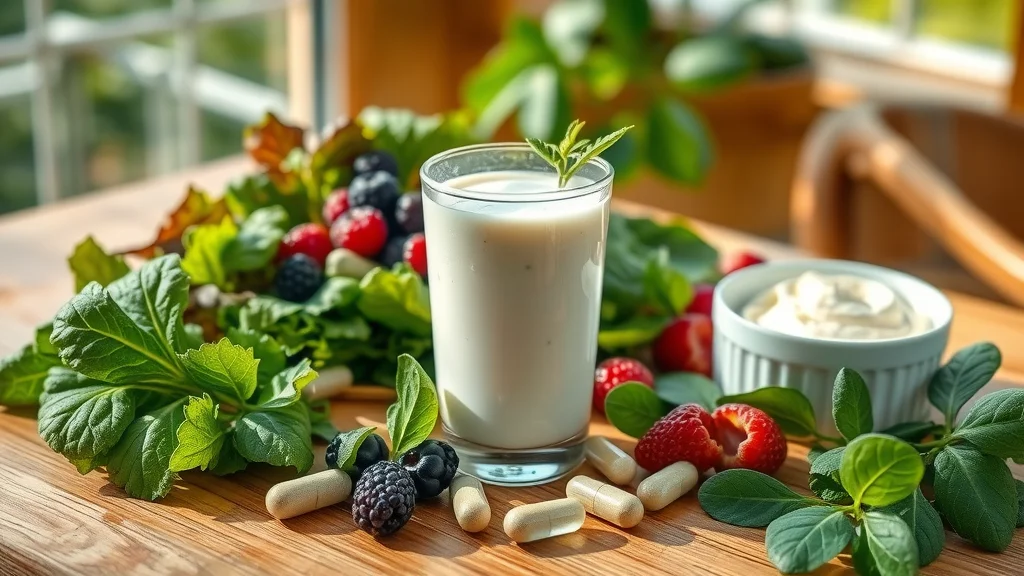
One of the most common reasons women seek out nutraceuticals is for hormonal support. Products rich in specific vitamins and minerals—especially B-complex vitamins, vitamin D, magnesium, and zinc—play a major role in regulating menstrual cycles, reducing symptoms of PMS, and supporting transitions like pregnancy or menopause. These nutrients are available as dietary supplements (tablets, capsules, gummies) or as part of fortified functional foods targeting women’s wellness. Ensuring consistent intake of these micronutrients may help maintain hormonal balance, boost energy, and improve mood, especially during periods of stress or major life changes.
Integrated into a healthy lifestyle, these nutraceuticals provide convenient, targeted support for specific needs. Many formulations are tailored to match a woman's age, activity level, or health goal, making it easier to address the shifting demands of hormone health over time.
Phytonutrients, Probiotics, and Functional Foods
Beyond vitamins and minerals, emerging research highlights the benefits of phytonutrients and probiotics—found in plant-based foods and fermented products. Phytonutrients, such as flavonoids and carotenoids, have potent antioxidant and anti-inflammatory properties, supporting cellular health and lowering the risk of chronic diseases. Probiotics, the beneficial bacteria in yogurt and supplements, can improve digestion, enhance immune function, and help with common issues like bloating or irregularity.

Adding these ingredients to your daily diet can be as simple as choosing probiotic-rich yogurts, snacking on berries and leafy greens, or incorporating plant-based supplements into your routine. Many functional foods are now fortified specifically for women’s health, offering a delicious approach to holistic well-being.
List: Top Nutraceutical Products for Women’s Daily Wellness
- Essential fatty acids for skin and heart health
- Probiotic blends for digestive harmony
- Antioxidants to support immune function
- Functional foods for bone and joint support
Benefits and Drawbacks: Are Nutraceuticals Good or Bad?
Potential Health Benefits of Nutraceuticals

When used responsibly, nutraceuticals can offer impressive health benefits, especially for women with unique nutritional needs. Scientific research and clinical trials have demonstrated that many nutraceutical products can help improve energy levels, manage symptoms of hormonal shifts, support immunity, and reduce the risk of chronic diseases like osteoporosis, heart disease, and diabetes. Integrating nutraceuticals into your daily routine may also enhance skin radiance, aid in mental clarity, and promote healthy digestion. By focusing on high-quality, well-formulated products, you can bridge nutritional gaps and proactively support your well-being as your body changes over time.
However, the effectiveness of a nutraceutical depends on its ingredients, dosage, and your unique health profile. Consulting a healthcare professional ensures you're selecting evidence-based options that suit your needs.
Risks, Side Effects, and Common Misconceptions
While nutraceuticals promise a variety of health benefits, it’s important to be mindful of risks and potential side effects. Not all products are created equal: the market is flooded with supplements that lack scientific backing or contain unnecessary fillers. Overuse of certain vitamins and minerals, or combining multiple products without guidance, can lead to toxicity, negative interactions with prescription medications, or unwanted side effects like gastrointestinal discomfort or headaches.
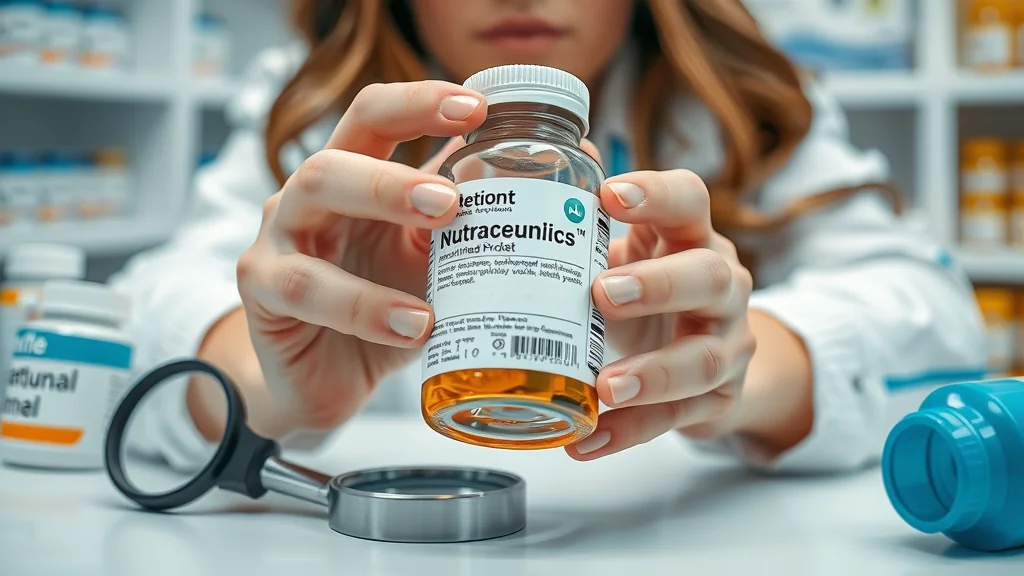
One common misconception is that all nutraceuticals are inherently safe because they're “natural” or “derived from food sources.” In reality, even natural substances can be powerful and should be used with care. Women who are pregnant, breastfeeding, or managing a chronic condition should be especially cautious, and everyone should read labels carefully, look for third-party testing, and avoid products with extravagant health claims that seem too good to be true.
Regulation, Safety, and Quality Assurance of Nutraceuticals
Understanding Labeling, Regulation, and Safety in the United States

In the United States, nutraceuticals are regulated differently from prescription drugs. The FDA oversees dietary supplements under the Dietary Supplement Health and Education Act (DSHEA), focusing on good manufacturing practices, accurate labeling, and product safety. However, unlike pharmaceuticals, nutraceutical products are not subject to pre-market approval, making it crucial for consumers to take extra precautions.
Look for products with clear labeling, transparent ingredient lists, and seals from third-party organizations that test for purity and potency. Reading the label and understanding terms like “USP Verified” or “NSF Certified” provides confidence that a product meets stringent standards. When in doubt, consult a trusted healthcare provider before making changes to your supplement or nutraceutical routine, especially if you have specific health conditions or take other medications.
Expert Quote: Choosing Reputable Nutraceutical Brands
"When selecting a nutraceutical product, women should look for clear labeling, third-party certification, and scientific backing for efficacy and safety." – Dr. Anne Lee, PhD, Nutrition Science
How to Choose and Use Nutraceuticals Effectively
Best Practices for Integrating Nutraceuticals into Your Lifestyle

Choosing the right nutraceuticals involves more than just picking the prettiest bottle or the biggest health claim on the shelf. Start with your unique health goals: do you want to boost immunity, manage stress, or support bone health? Review your diet to identify nutritional gaps and talk with your doctor or a registered dietitian for advice on safe, effective options. Always seek products with high-quality ingredients, transparent sourcing, and scientific validation.
To get the most out of your nutraceuticals, consistency is key. Set reminders, incorporate supplements into your existing routines—like breakfast time or your evening wind-down—and stay organized with a pillbox or supplement planner. Remember, nutraceuticals should complement a balanced diet, not replace real food or medical care. With a strategic approach, you can maximize benefits while staying safe and empowered on your health journey.
In this short video, you'll discover actionable tips for reading labels, spotting quality indicators, and selecting nutraceuticals that align with your health needs and lifestyle.
People Also Ask About Nutraceuticals
What are nutraceuticals and examples?
Answer: Nutraceuticals are products derived from food sources with additional health benefits beyond basic nutrition. Examples include omega-3 fatty acid supplements, fortified functional foods, and probiotic dietary supplements.
What is the difference between a supplement and a nutraceutical?
Answer: While all nutraceuticals may be dietary supplements, not all dietary supplements qualify as nutraceuticals. Nutraceuticals are defined by their scientifically proven health benefits and bioactive components, whereas supplements may simply provide nutrients.
Are nutraceuticals good or bad?
Answer: When used responsibly, nutraceuticals can offer several health benefits, especially for women. However, not all products are equally effective or safe, so quality and professional guidance matter.
Is nutraceutical a medicine?
Answer: No, nutraceuticals are not classified as medicines. They support health and wellness but are not intended to diagnose, treat, cure, or prevent disease.
FAQs About Nutraceuticals for Women
- Can nutraceuticals interact with prescription medications?
Yes, some nutraceuticals or dietary supplements can interact with medications. Always consult your healthcare provider before adding new products to your routine. - How do I know if a nutraceutical product is safe?
Look for third-party certifications, check ingredient lists, read customer reviews, and consult a healthcare professional for recommendations on safety and efficacy. - Are nutraceuticals recommended for all women?
While many women benefit from nutraceuticals, individual needs and health conditions matter. Speak with your doctor or dietitian to determine if they are right for you.
Key Takeaways: Nutraceuticals and Your Health
- Nutraceuticals bridge the gap between food and medicine for better health.
- Understanding product quality and your individual needs is essential.
- Consult a healthcare professional before beginning any new nutraceutical regimen.
Empowering Your Health Journey with Nutraceuticals
Visit our website for more health and wellness tips—ThisPageOnHealth.com
Ready to take the next step? Visit our website for more health and wellness tips—ThisPageOnHealth.com
If you’re inspired to continue your journey toward optimal health, there’s a wealth of holistic strategies and expert insights waiting for you. Explore our main resource hub at This Page On Health to discover the latest trends in wellness, nutrition, and preventive care. Whether you’re seeking advanced guidance on lifestyle changes, in-depth articles on women’s health, or practical tips for everyday vitality, our curated content is designed to empower your next steps. Dive deeper and unlock new possibilities for your well-being—your healthiest self is just a click away.
Sources
- https://ods.od.nih.gov/factsheets/WomensHealth-HealthProfessional/
- https://www.fda.gov/food/dietary-supplements
- https://www.ncbi.nlm.nih.gov/pmc/articles/PMC6463160/
- https://www.hsph.harvard.edu/nutritionsource/supplements/
- https://www.nccih.nih.gov/health/dietary-and-herbal-supplements
Nutraceuticals are products derived from food sources that offer additional health benefits beyond basic nutrition. They encompass a wide range of items, including dietary supplements, functional foods, and medicinal foods, each designed to support various aspects of health and wellness.
Key Health Benefits of Nutraceuticals:
-
Prevention and Management of Chronic Diseases: Nutraceuticals play a significant role in preventing and managing chronic conditions such as cardiovascular diseases, diabetes, and obesity. For instance, omega-3 fatty acids have been associated with reduced risk of heart disease by lowering cholesterol levels and reducing inflammation. (mediresonline.org)
-
Immune System Support: Certain nutraceuticals, including vitamin C, zinc, and elderberry, are known for their immune-boosting properties. These supplements help strengthen the body’s natural defenses, reducing the severity and duration of common illnesses. (fhafnb.com)
-
Anti-Inflammatory Effects: Nutraceuticals containing phytochemicals like curcumin and resveratrol have been shown to modulate inflammatory processes, offering potential health benefits in conditions such as osteoarthritis, asthma, and rheumatoid arthritis. (1mg.com)
-
Enhanced Cognitive Function: Compounds like ginkgo biloba and antioxidants found in blueberries can benefit cognitive function. Ginkgo biloba is often used to enhance memory and circulation, while antioxidants protect brain cells from damage, potentially improving long-term cognitive function. (fhafnb.com)
-
Support for Bone Health: Nutraceuticals such as vitamin D and calcium are essential for maintaining strong bones. Adequate intake of these nutrients reduces the risk of osteoporosis and fractures, especially in older adults. (fhafnb.com)
Incorporating nutraceuticals into your daily routine can offer a proactive approach to health, addressing specific nutritional needs and supporting overall well-being. However, it’s important to consult with a healthcare professional before starting any new supplement regimen to ensure it aligns with your individual health requirements.




Write A Comment