


Did you know up to 80% of premature heart disease, stroke, and type 2 diabetes can be prevented with the right diet and lifestyle? Preventive nutrition offers women an actionable path to break the cycle of illness and step confidently into a healthier future. In this guide, you'll uncover the science, strategies, and simple steps that transform nutrition from a chore to your most powerful tool for disease prevention. Whether you’re new to the concept, struggling with chronic conditions, or simply looking to boost your healthy life, this comprehensive article is designed for you—supportive, practical, and packed with advice that actually fits your real life.
Startling Facts: The Impact of Preventive Nutrition on Women's Health
"According to the WHO, up to 80% of premature heart disease, stroke, and type 2 diabetes can be prevented with a healthy diet, regular physical activity, and avoiding tobacco use."

These numbers are staggering—but they put the power to change your health squarely in your hands. Preventive nutrition isn’t about deprivation; it’s about equipping your body to prevent disease and lead a healthy life. For women, who face unique risk factors throughout various life stages, focusing on nutritious habits can dramatically lower the chances of developing chronic disease. You don’t need to overhaul your whole dietary pattern overnight. Small, consistent changes in your dietary guidelines—like adding more whole foods, limiting processed sugar, and embracing physical activity—can have a profound effect on your overall health and quality of life. When you pair preventive nutrition with regular checkups and daily movement, you arm yourself against not only chronic diseases, such as heart disease and diabetes, but also boost resilience, energy levels, and even life expectancy. The journey to better health starts now with simple, sustainable steps.
What You'll Learn About Preventive Nutrition
- The foundational concepts of preventive nutrition
- How dietary guidelines can change your health outlook
- The role of preventive nutrition in chronic disease management
- Holistic approaches to healthier living
- Beginner strategies for daily disease prevention
Understanding Preventive Nutrition
What is Preventive Nutrition?
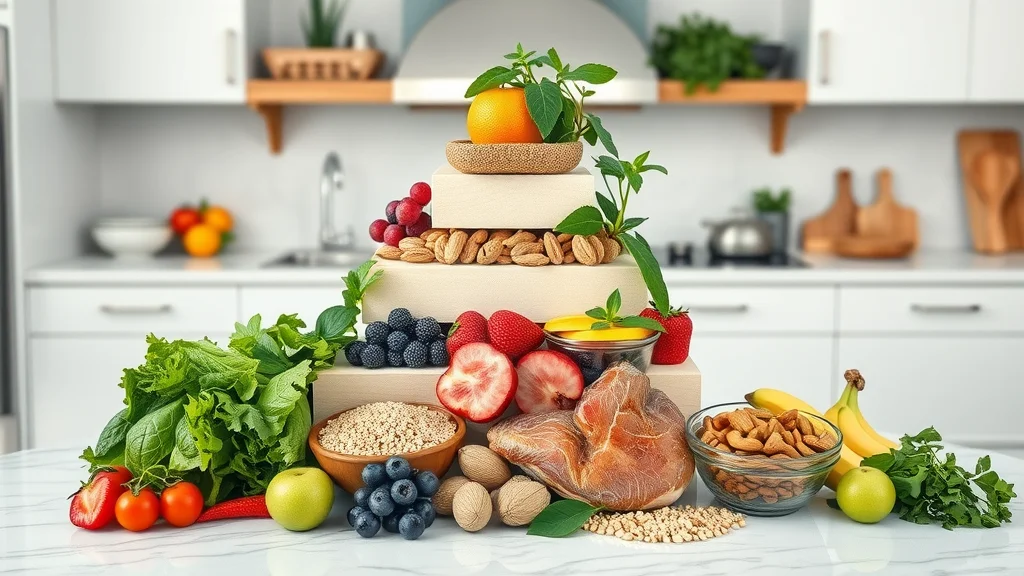
Preventive nutrition is the practice of using everyday food choices as a shield against future illnesses. It means choosing eating patterns that lower your risk factors for chronic diseases—including heart disease, type 2 diabetes, certain cancers, and even communicable diseases. Unlike “diets” aimed at short-term weight loss or trends, preventive nutrition focuses on long-term, sustainable change through evidence-backed dietary guidelines.
Think about preventive nutrition as giving your body what it needs for a healthy life at every stage—from teenage years to menopause and beyond. It’s rooted in the science of human nutrition and supported by decades of nutritional science, linking balanced intake from each food group (like fruits, vegetables, whole grains, lean protein, and healthy fats) to strong immunity and disease prevention. For women, preventive nutrition is especially crucial, as it helps offset gender-related risks (like osteoporosis and cardiovascular disease), supports energy for busy lifestyles, and optimizes overall public health. With every balanced plate, you’re actively investing in a vibrant, resilient future.
The Role of Dietary Guidelines in Preventive Nutrition
Dietary guidelines are more than rules—they’re the blueprint for lasting health. Organizations like the USDA and WHO regularly review the latest research in nutrition science to suggest how much of each food group we should eat. These guidelines aim to protect against chronic disease and promote optimal human health throughout your life.
By following evidence-based dietary patterns—such as the Mediterranean diet, which emphasizes fruits, vegetables, whole grains, and lean proteins—you actively reduce your risk of heart disease, diabetes, and certain cancers. The United States and other countries regularly update their dietary patterns, incorporating new findings from nutritional sciences. For women, these guidelines are adapted to reflect unique needs at various life stages. Aligning your food and nutrition choices with these recommendations doesn’t have to be complicated—start by adding one extra serving of vegetables or switching from processed snacks to nuts for a nutrient boost. These small steps, when practiced consistently, align with preventive nutrition and deliver the foundation for a healthy life.
For those interested in practical ways to implement these dietary changes, exploring actionable tips for healthy eating can make the transition to preventive nutrition much more approachable. Discover more strategies for building sustainable habits in our guide to everyday healthy eating routines.
How Preventive Nutrition Supports a Healthy Life
Preventive nutrition equips you to live not only longer but better. Its benefits go far beyond basic weight loss: it directly supports mental clarity, hormonal balance, bone and heart health, and stable energy—essentials for every woman’s busy life. By proactively managing your dietary pattern, you address risk factors before they become full-blown health issues.
Consistently making choices aligned with preventive nutrition—like regular meals, a wide range of whole foods, and mindful hydration—helps control blood sugar, improve cholesterol, and maintain bone density. When paired with physical activity, such a holistic approach helps you thrive, not just survive. The evidence is clear: a healthy balance in food groups, supported by current guidelines, builds resilience and helps prevent disease, improving public health and empowering women at every age.
Preventive Nutrition and Chronic Disease: The Beginner's Guide
Diet and Chronic Disease: Understanding the Connection

One of the strongest links established in nutrition science is the connection between diet and chronic disease. Chronic diseases—like cardiovascular disease, obesity, high blood pressure, and type 2 diabetes—are among the leading causes of death for women worldwide. Yet, the encouraging news is that many of these conditions are preventable through lifestyle choices, particularly in your daily eating habits.
A healthy diet rich in fruits, vegetables, lean proteins, whole grains, and healthy fats can significantly lower risk factors. For example, swapping sugary drinks for water and reducing heavily processed foods can improve metabolic health quickly. The Mediterranean diet, repeatedly proven to combat risk factors like high cholesterol and blood pressure, offers a practical preventive nutrition blueprint. By focusing on dietary guidelines, women can address not just weight loss but long-term struggles—improving energy, mood, and overall public health. Even small, consistent improvements in your eating patterns add up to powerful health benefits over time.
Disease Prevention: Simple Steps for Everyday Life
Preventive nutrition doesn’t require perfection—it thrives on consistency and realistic routines. Start by evaluating your daily habits: Are you including a variety of colors from each food group at every meal? Do you make time for regular movement, even if it’s just a brisk walk? Begin with easy swaps: replace chips with seeds, soda with herbal tea, or white bread with whole grain.
Other simple strategies include meal prepping at the start of the week, planning balanced snacks, and staying hydrated to boost energy and focus. For women, choosing foods rich in calcium, iron, and omega-3s caters to specific needs and acknowledges your life stage. Keep a food journal to identify patterns or triggers, and remember, public health starts at home—your commitment to preventive nutrition models good habits for friends and family. Every balanced plate is a step toward future wellness.
A Holistic Approach to Preventive Nutrition

What is a Holistic Approach to Preventive Nutrition?
A holistic approach to preventive nutrition looks at your health as an interconnected system—nutrition, movement, sleep, and emotional well-being are all equally crucial. Focusing only on food doesn’t guarantee lasting results; instead, a successful strategy brings together all aspects of self-care into a supportive, balanced routine.
For women, a holistic approach means adjusting nutrition as you move through different life stages, embracing self-compassion, and making room for stress relief alongside dietary choices. For example, integrating fiber-rich foods, regular exercise, and restorative sleep supports digestion, mood, and immune function all at once. By adopting a holistic approach, you don’t just reduce risk factors— you maximize your ability to live life to its fullest, enhancing your healthy life from the inside out.
Incorporating Mindful Eating, Physical Activity, and Mental Health
Mindful eating—paying full attention to what you eat and savoring each bite—helps build a positive relationship with food. It makes it easier to notice true hunger and fullness cues, choose nutrient-dense options, and avoid emotional eating. Coupling mindful eating with regular physical activity is a key pillar of preventive nutrition. Even modest movement, like daily stretching or neighborhood walks, improves emotional well-being and contributes to long-term disease prevention.
Mental health plays a critical role, too. Chronic stress and poor sleep can undermine even the healthiest eating patterns. Prioritizing relaxation techniques, social connection, and adequate rest supports your holistic approach, reinforcing your body’s ability to prevent disease and bounce back from setbacks. Preventive nutrition is not just about meals—it’s about building a lifestyle that supports your full potential as a woman and fosters public health for families and communities.
Public Health and Preventive Nutrition: Why Your Choices Matter
"Small adjustments in daily nutrition choices can ripple into profound public health impacts—especially for women." - Registered Dietitian
Preventive Nutrition for Women: Common Struggles and Solutions

Women often juggle many roles—career, caregiving, family—which can create barriers to consistent healthy habits. Common struggles include busy schedules, lack of meal ideas, limited access to fresh foods, and confusion about which “expert” to trust. However, you can overcome these obstacles by leaning on practical preventive nutrition strategies.
First, recognize that you don’t need to be perfect—you only need to keep going. Use meal prep, batch cooking, and slow cookers to save time. Look for community support: join a nutrition challenge at work, swap healthy recipes with friends, or consult a registered dietitian who understands public health and your unique challenges. Most importantly, celebrate your wins—each nutritious meal, every new healthy habit, and each moment you prioritize your needs plants a seed for better health and inspires those around you. Remember, preventive nutrition isn’t one-size-fits-all; it’s about finding what fits your life, honors your individuality, and strengthens your lifelong journey toward vitality.
Dietary Guidelines for Disease Prevention: What Every Beginner Needs to Know
| Guideline | Disease Prevention Benefit |
|---|---|
| Eat at least 5 servings of fruits & vegetables daily | Lowers risk for cardiovascular disease and certain cancers |
| Choose whole grains over refined grains | Supports digestive health, reduces risk of diabetes and heart disease |
| Limit added sugars to less than 10% of total calories | Reduces obesity and type 2 diabetes risk |
| Include lean protein (fish, poultry, beans, nuts) | Maintains muscle, supports immune health |
| Use healthy fats (olive oil, nuts, seeds) | Improves cholesterol, protects heart health |
| Avoid trans fats and minimize processed foods | Lowers risk for heart disease and stroke |
| Stay hydrated (aim for 8+ cups water/day) | Promotes metabolic, kidney, and circulation health |
Lists: Foods and Habits That Boost Preventive Nutrition
-
Top 10 Nutrient-Dense Foods for Disease Prevention
- Spinach
- Blueberries
- Salmon
- Lentils
- Sweet potatoes
- Almonds
- Broccoli
- Quinoa
- Tomatoes
- Chia seeds
-
5 Habits to Adopt for Lifelong Health
- Eat a wide range of whole foods each week
- Move daily (walk, stretch, dance)
- Practice mindful eating—focus and gratitude at meals
- Prioritize sleep and stress management
- Stay consistent—choose progress over perfection
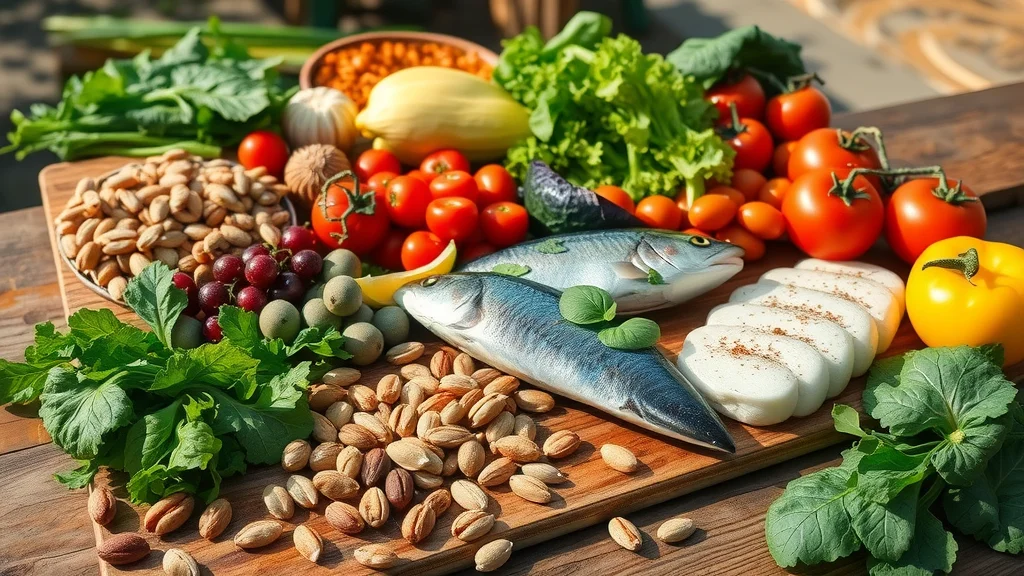
Preventive Nutrition in Action: Building a Healthier Life
Realistic Daily Routines for Improved Preventive Nutrition

Building a healthier life with preventive nutrition is completely achievable—especially when you focus on practical routines tailored to your reality. Start with a balanced breakfast to steady your metabolism and mood. Carry healthy snacks (like apples and nuts) for days on the go. Prioritize family dinners—even if they’re quick—and fill half your plate with vegetables.
Involve everyone at home in meal planning and prep. Kids can rinse fruit, teens can chop vegetables, and adults can cook proteins. This not only eases your load but models healthy eating patterns for all ages. Take time once a week to review your pantry, jot down simple meals, and prep ingredients—future you will thank you. Remember, preventive nutrition thrives with structure and support, not restriction!
Meal Planning Made Easy

Effective meal planning is the cornerstone of preventive nutrition. Begin by picking two or three dinner recipes for the week, using overlapping ingredients (like chicken, quinoa, tomatoes) to save time and money. Prepare a big batch of grains and roasted veggies in advance, and use leftovers for salads or grain bowls.
Stock up on convenient, healthy fixes—such as canned beans, frozen spinach, and pre-washed greens. When possible, portion meals into single-serving containers for grab-and-go convenience. Keep a list of “emergency” meal ideas handy—like omelets, stir-fries, or hearty salads—so you’re never caught off guard. The key is planning what fits YOUR life, focusing on variety, nourishment, and joyful eating. With a few tweaks, preventive nutrition becomes an effortless, rewarding ritual.
Frequently Asked Questions about Preventive Nutrition
What is preventive nutrition?
Answer: Preventive nutrition is the practice of making dietary choices that lower the risk of developing chronic diseases by following recommended dietary guidelines and holistic health strategies.
What is the 3-3-3 rule for eating?
Answer: The '3-3-3 rule' encourages consuming three balanced meals, three healthy snacks, and hydrating every three hours, promoting stable energy and metabolic health.
What food adds 33 minutes to your life?
Answer: According to recent studies, eating a serving of nuts, especially peanuts, can add approximately 33 minutes to your lifespan due to their nutrient-rich profile.
What is the meaning of preventive health?
Answer: Preventive health refers to proactive measures—including preventive nutrition—that reduce the risk of illness before it starts.
Key Takeaways: Preventive Nutrition for Disease Prevention
- Preventive nutrition is essential for women aiming to prevent chronic disease.
- Following dietary guidelines and holistic practices promotes a healthy life.
- Implementing small, consistent dietary changes can yield significant long-term health benefits.
Conclusion: Start Your Preventive Nutrition Journey Today
"Empowerment begins with a single, nourishing choice."
There’s no better time to embrace preventive nutrition. Your choices today will shape your wellness for years to come.
If you’re inspired to take your wellness journey even further, consider exploring the broader landscape of health and lifestyle strategies available on This Page On Health. There, you’ll find a wealth of resources that go beyond nutrition, offering insights into holistic well-being, self-care, and the latest in preventive health science. By deepening your understanding and expanding your toolkit, you can create a truly personalized approach to lifelong vitality. Let your next step be one of curiosity and empowerment—your healthiest self is just a click away.
Visit our website for more health and wellness tips-ThisPageOnHealth.com
Sources
- https://www.who.int/
- https://health.gov/dietaryguidelines
- https://www.ncbi.nlm.nih.gov/pmc/articles/PMC4018553/
- https://www.hsph.harvard.edu/nutritionsource/
- https://www.cdc.gov/pcd/issues/2020/20_0191.htm
Preventive nutrition is a branch of nutrition science focused on preventing, delaying, or reducing the impacts of disease and related complications. It emphasizes maintaining a high level of personal well-being and diagnosing recurring health problems or discomfort signals that often precede health issues. (en.wikipedia.org)
The World Health Organization (WHO) recommends several dietary practices to promote health and prevent chronic diseases:
- Maintain a healthy weight by balancing calorie intake with energy expenditure.
- Limit fat intake to no more than 30% of total calories, favoring unsaturated fats over saturated fats and avoiding trans fats.
- Consume at least 400 grams of fruits and vegetables daily, excluding starchy roots.
- Limit simple sugar intake to less than 10% of total calories.
- Limit salt intake to less than 5 grams per day and ensure that salt is iodized. (en.wikipedia.org)
In the United States, the Department of Health and Human Services sets nationwide health-promotion and disease-prevention goals through the Healthy People program. This initiative emphasizes disease prevention and has been updated every decade since its inception in 1979. (en.wikipedia.org)
The Center for Nutrition Policy and Promotion (CNPP), a program area of the USDA’s Food and Nutrition Service, aims to improve the health and well-being of Americans by establishing national dietary guidelines based on the best available science. CNPP promotes dietary guidance by linking scientific research to the nutritional needs of the American public. (en.wikipedia.org)
Implementing preventive nutrition strategies can significantly reduce the risk of chronic diseases such as heart disease, stroke, and type 2 diabetes. By adopting healthy dietary patterns and making informed food choices, individuals can enhance their overall health and well-being.




Write A Comment